There’s something about loading up the bikes on a Saturday morning that feels different from any other kind of family outing. No screens, no rush, just the whir of wheels and the sound of your kids shouting “wait for me!” from a few feet behind. If you’ve been searching for the right cycling routes for weekend family adventures, you’re in the right place — this guide breaks down what makes a route family-friendly, how to plan around different ages and abilities, and seven route styles you can find near almost any town.
Why Family Cycling Routes Are Worth the Planning
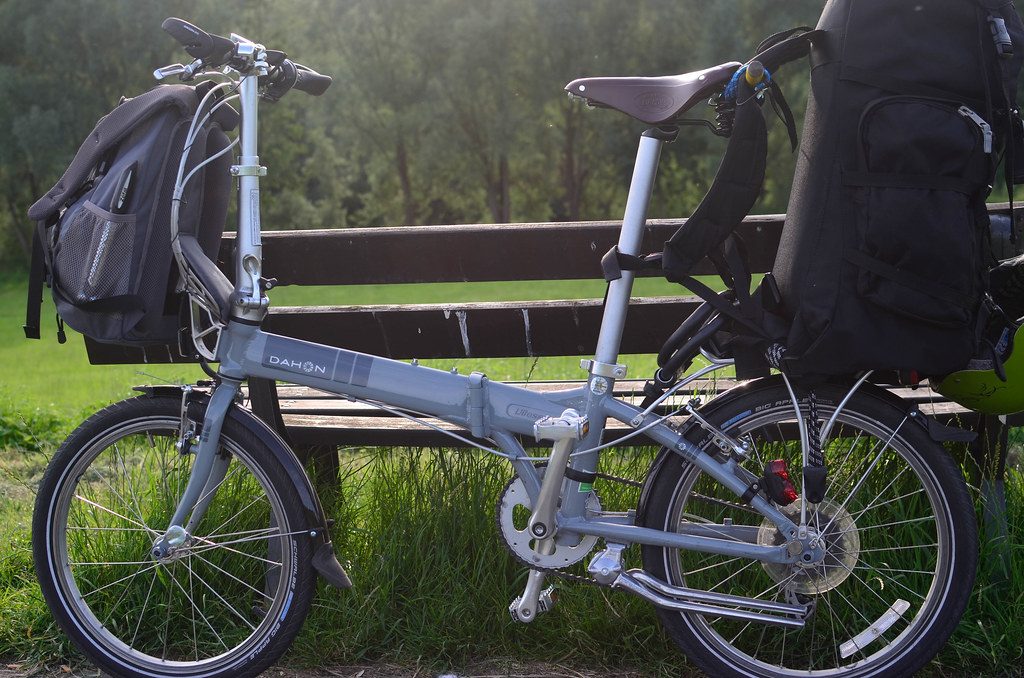
A great family bike ride isn’t just a shorter version of an adult route. It needs to balance safety, scenery, and stamina — for the six-year-old on training wheels and the exhausted parent pulling a trailer. Getting the route right means:
- Fewer meltdowns (from kids and adults)
- More time enjoying the scenery, not white-knuckling through traffic
- A ride everyone actually wants to repeat next weekend
The good news: with a little research, most regions have at least one paved, low-traffic, or dedicated path that checks all these boxes.
What Makes a Route “Family-Friendly”?
Before picking a trail, run it through this quick checklist:
- Surface type — Paved paths or hard-packed gravel are easiest for kids’ bikes and trailers.
- Traffic separation — Look for greenways, rail trails, or protected bike lanes rather than shared roads with fast-moving cars.
- Distance and elevation — Aim for flat or gently rolling terrain; 5–10 miles round trip is plenty for younger riders.
- Rest stops — Playgrounds, cafés, or shaded picnic areas along the way keep morale high.
- Bailout points — Routes with multiple access points let you cut the ride short if someone’s tired out early.
7 Types of Cycling Routes for Weekend Family Adventures
1. Rail Trails and Greenways
Converted railway corridors are a family cycling gold mine — flat, wide, paved or crushed gravel, and completely separated from car traffic. Many stretch for 10+ miles but include frequent road-crossing access points, so you can ride as little or as much as your crew can handle.
2. Waterfront and Riverside Paths
Rivers, lakes, and canals often come with dedicated multi-use paths. These routes double as a scenic reward system — stop for ice cream at a marina café, watch boats go by, or let the kids skip stones halfway through the ride.
3. Park Loop Trails
Big regional or municipal parks frequently have internal loop roads or dedicated cycling paths closed to (or lightly used by) cars. These are ideal for younger kids since you’re never far from a bathroom, playground, or the car if someone needs to tap out.
4. Countryside Loop Routes
For families with more confident young riders, quiet rural loop roads offer a genuine “adventure” feel — rolling farmland, low traffic volume, and a real sense of distance covered. Pick routes with minimal elevation gain and check traffic counts if you can find them online.
5. Urban Greenway Networks
Many cities have expanded protected bike lane networks connecting parks, libraries, and neighborhoods. These routes turn a bike ride into a mini scavenger hunt — pick three or four local landmarks and turn the ride into a checklist.
6. Beachside or Boardwalk Paths
Coastal towns often have flat boardwalk or beachfront paths built for pedestrians and cyclists alike. Wind can be a factor, so check forecasts, but the payoff — a swim or sandcastle break midway — is hard to beat.
7. “Bike to a Destination” Routes
Sometimes the best family route is the one with a built-in reward: a short ride to a farmer’s market, a bakery, a swimming hole, or a small museum. Keep the destination close enough that the ride itself doesn’t overshadow the payoff.
Tips for a Smoother Family Ride
- Start shorter than you think you need. It’s easier to add distance than to cut a miserable ride short with three miles left.
- Pack more snacks and water than seems reasonable. Hunger turns into meltdowns faster on a bike than anywhere else.
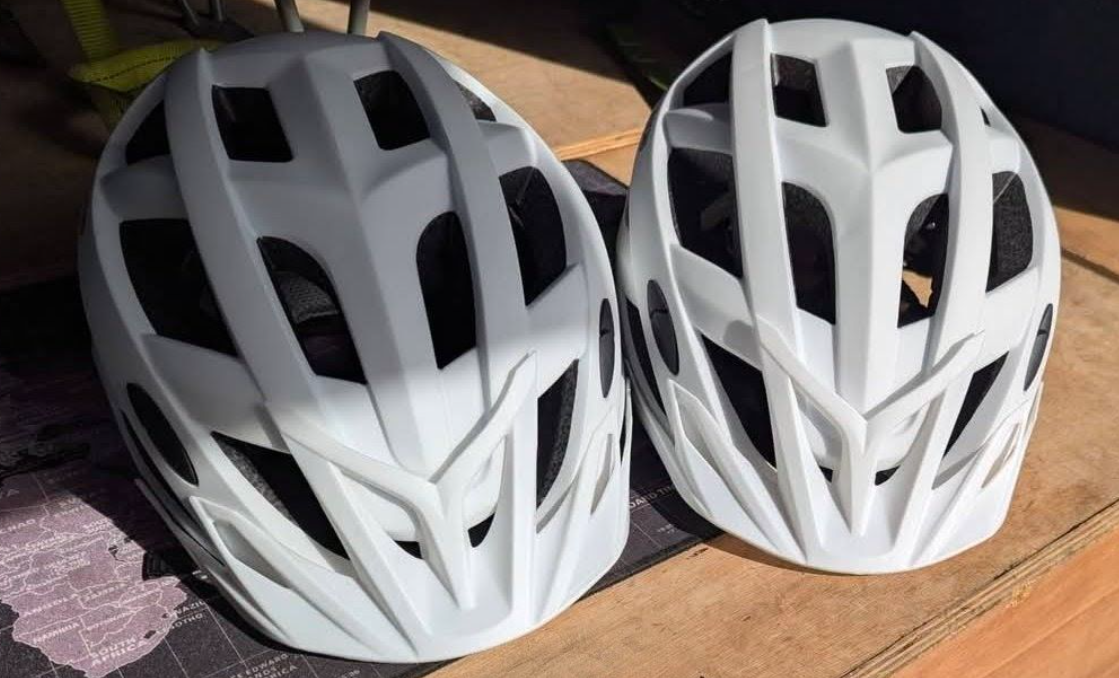
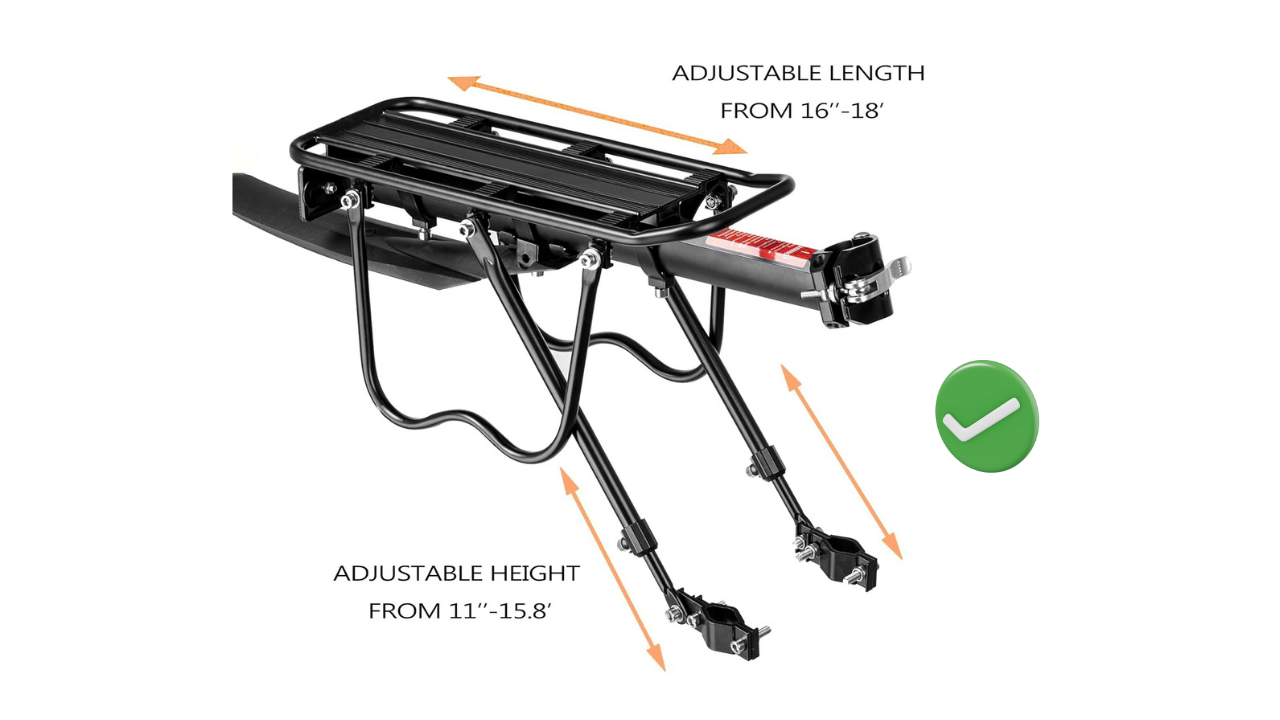
- Do a gear check before you leave — helmets, tire pressure, and trailer or tag-along attachments.
- Let the slowest rider set the pace, and build in stops before anyone actually needs one.
- Bring a simple repair kit — a spare tube, mini pump, and multitool cover most weekend mishaps.
Finding Routes Near You
To find local options, try:
- Your city or county parks department website, which often lists trail maps and surface types
- Apps like Komoot, AllTrails, or Ride with GPS, filtered for “easy” or “family” difficulty
- Local cycling advocacy groups, who often maintain curated family-route lists
- Rail-trail databases (such as TrailLink) for converted greenway paths in your region
Final Thoughts
The best cycling routes for weekend family adventures aren’t necessarily the most scenic or the longest — they’re the ones your family will actually want to ride again. Start with something short, flat, and low-stress, build in a reward stop, and let the adventure grow from there. A few good weekends in, you might find your family requesting the bike ride before you even suggest it.