
Picture this: You’re cruising down a scenic bike path, enjoying the fresh air. Suddenly, a dog darts into your path! That split second is when you realize the importance of bicycle brakes. Did you know the quality of your brakes can mean the difference between a minor scare and a serious accident? This post will explore the different types of bicycle brakes available, helping you choose the best ones for your riding style and ensuring you can stop safely, no matter what surprises come your way. By the end, you’ll be able to make an informed decision and upgrade your braking system with confidence.
Key Takeaways
- Disc brakes offer powerful stopping in all weather conditions.
- Rim brakes are often lighter and more affordable for casual cyclists.
- Hydraulic disc brakes provide superior modulation and require less effort.
- Mechanical disc brakes are simpler to maintain.
- Knowing your riding style is essential for choosing the right brakes.
- Proper maintenance ensures your brakes perform at their best.
The 5 Best Bicycle Brakes to Keep You Safe
Choosing the right bicycle brakes is more than just picking a part; it’s about making a crucial decision that affects your safety and riding experience. Different brake systems offer varying levels of performance, maintenance requirements, and price points. Whether you’re a casual rider who enjoys weekend cruises, a competitive cyclist looking for speed, or a mountain biker tackling challenging terrains, the perfect braking system will give you the confidence to stop effectively in any situation. This includes considering factors like the terrain you ride on, the weather conditions you encounter, and your budget. Selecting the right type will significantly enhance your riding experience, providing confidence and control. The following list explores the top five bicycle brake systems, offering insights into their features, benefits, and how they stack up against each other.
1. Hydraulic Disc Brakes
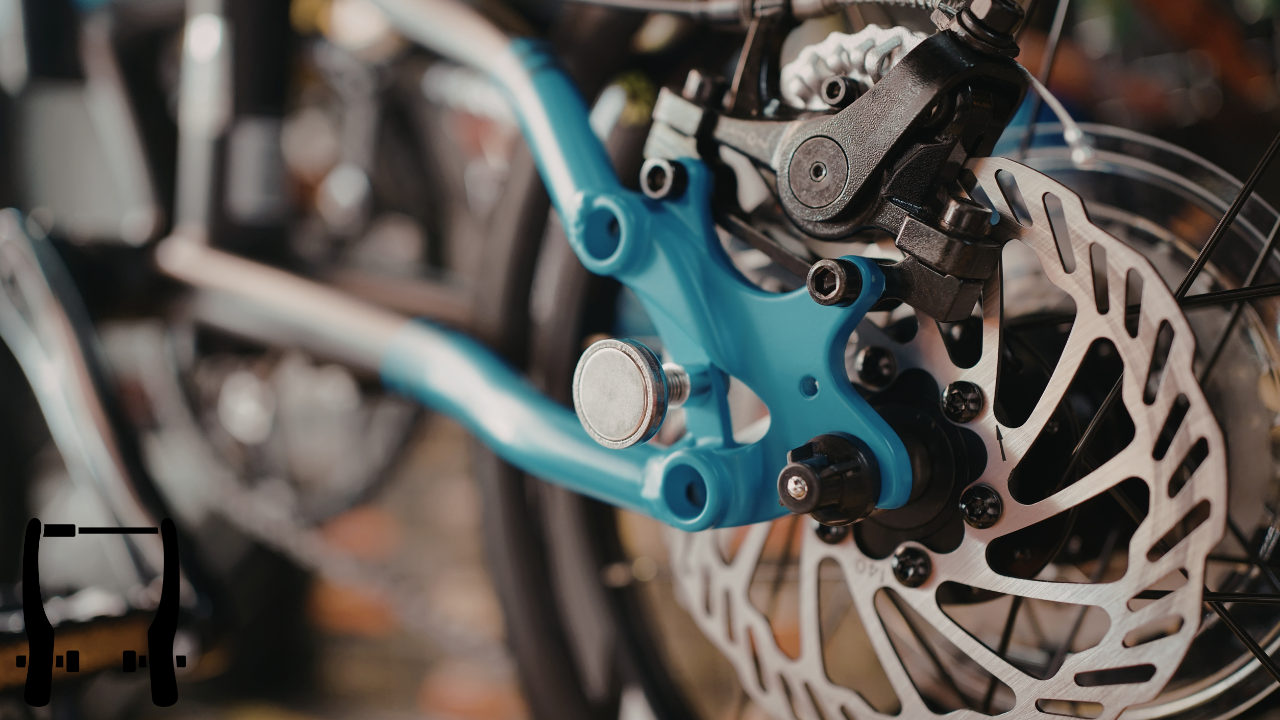
Hydraulic disc brakes are often considered the top choice for many cyclists, especially those who prioritize stopping power and consistent performance. These brakes utilize a closed hydraulic system, where fluid is used to transmit the braking force from the brake lever to the caliper, which then squeezes the brake rotor. This system offers incredible stopping power, even in wet or muddy conditions. The responsiveness and modulation are excellent, allowing riders to precisely control their braking force. They require minimal effort at the lever, a significant advantage on long descents or when quick stops are needed. With a hydraulic system, the rider’s hand strength becomes less of a factor compared to mechanical systems. Also, the closed system prevents contamination, leading to a longer lifespan of brake pads and rotor. These brakes are popular on mountain bikes, road bikes, and gravel bikes.
- Superior Stopping Power: Hydraulic brakes deliver powerful braking force with minimal effort, making them ideal for all riding conditions.
- Enhanced Modulation: Riders can fine-tune their braking, preventing wheel lockup and maintaining control.
- Weather Resistant: They perform consistently in rain, snow, and mud.
- Low Maintenance: They require less frequent adjustments than other brake types.
Hydraulic brakes provide superior performance. The system uses a hydraulic fluid, typically mineral oil or DOT fluid, to transfer the braking force. This design ensures that even a small amount of pressure on the brake lever translates into strong braking force at the wheel. The closed system also protects the brake components from contamination, which can impact performance. This can lead to pad contamination, which in turn reduces the stopping power and can lead to uneven wear on both pads and the rotors.
Advantages of Hydraulic Disc Brakes
One of the primary advantages of hydraulic disc brakes is their stopping power. This comes from their efficient design and the hydraulic system that amplifies the force applied to the lever. This enhanced stopping performance is particularly valuable in situations demanding quick reactions. They are also known for superior modulation. This means the ability to control braking force, essential for avoiding wheel lockups. You can precisely control the amount of braking power you apply, giving you better control of your bike. This system provides a consistent feel and predictable performance, regardless of weather conditions.
- Stopping Power: They deliver much stronger braking force than rim brakes or mechanical disc brakes.
- Modulation: Allows for precise control of braking force.
- Reliability: Consistent performance in various weather conditions.
- Reduced Hand Fatigue: Requires less effort to apply.
There are some downsides to this system. Hydraulic disc brakes can be more expensive than other types, both in initial purchase and in maintenance. They can require special tools and knowledge for maintenance and repair. If the brake lines are damaged or if the system needs bleeding, the task is complex. While they offer superior performance, the additional weight of the system could be a factor for riders who prioritize lightweight components. Also, the set up process is more complex than mechanical brakes.
2. Mechanical Disc Brakes
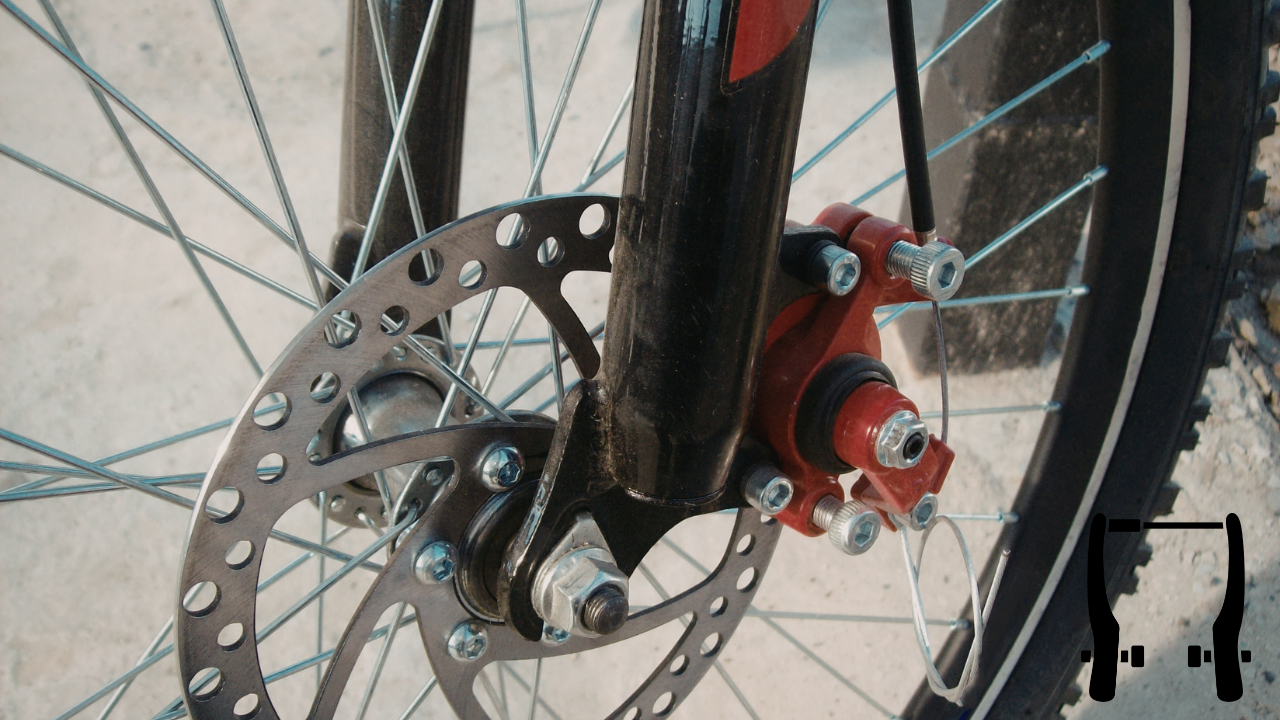
Mechanical disc brakes offer a more straightforward and budget-friendly alternative to hydraulic systems. They operate via a cable connected to the brake lever, which pulls a caliper to squeeze the brake rotor. The simple design makes them easier to maintain and repair, requiring minimal special tools and knowledge. They offer better stopping performance than rim brakes, especially in wet conditions. Mechanical disc brakes are a good choice for those who are looking for a reliable braking system at a reasonable price, and who prefer ease of maintenance. They provide an upgrade over rim brakes, making them suitable for casual riders and commuters.
- Easy Maintenance: Their simple design makes them easy to maintain and repair.
- Affordable: Generally less expensive than hydraulic systems.
- Improved Braking: Offer better stopping power than rim brakes.
- Good for Dry Conditions: Performance in wet conditions is not as good as hydraulic systems.
Mechanical disc brakes function by pulling a cable that actuates the caliper, pressing the brake pads against the rotor. This design provides more stopping power than rim brakes. The system’s main components are the brake lever, cable, caliper, rotor, and brake pads. Cables are connected to the lever, and pulling the lever engages the brakes. This mechanism delivers stopping power, but it has limitations.
Mechanical Disc Brake Components and Function
The cable, caliper, rotor, and pads all need routine checks. The cable can stretch and become less responsive. The caliper must be aligned. The pads will wear down over time. It is crucial to inspect these components regularly for wear and damage. Proper maintenance ensures that the brakes operate safely and effectively. This includes cable tension adjustments, pad replacements, and alignment of the caliper. The performance of these brakes is affected by the quality of the cable and the housing, which can impact the braking feel.
- Cable: The cable connects the brake lever to the caliper. It transmits the force from the lever.
- Caliper: The caliper houses the brake pads and presses them against the rotor.
- Rotor: The rotor is a metal disc attached to the wheel. The pads squeeze the rotor to create friction and stop the bike.
- Pads: Brake pads wear down. It’s important to inspect and replace them regularly.
One of the key advantages of mechanical disc brakes is their ease of maintenance. Compared to hydraulic systems, cable-actuated brakes do not require specialized knowledge or tools for most repairs. Adjustments, cable
3. Rim Brakes
Rim brakes, a staple in the cycling world, work by squeezing the brake pads against the wheel’s rim to slow or stop the bike. The system includes brake levers, brake cables, and calipers that hold the brake pads. They are typically lighter and more affordable than disc brakes. There are various types, including caliper brakes and V-brakes. They provide sufficient braking force for casual riding and commuting, particularly in dry conditions. Rim brakes are a practical choice for those looking for a simple, budget-friendly braking system. They are popular on road bikes, hybrid bikes, and older mountain bikes.
- Lightweight: Generally lighter than disc brakes.
- Affordable: Cost-effective compared to other braking systems.
- Easy Maintenance: Simple design. Easy to repair and replace parts.
- Effective in Dry Weather: Provide reliable stopping in favorable conditions.
The basic principle of rim brakes involves friction. When you squeeze the brake lever, the brake pads press against the rim of the wheel. This creates friction, which slows down the wheel’s rotation, and eventually, the bike comes to a stop. This simple design has served cyclists for decades, but the performance is affected by factors such as weather conditions, rim material, and pad quality.
Types of Rim Brakes
The two most common types are caliper brakes and V-brakes. Caliper brakes are common on road bikes. They mount on the frame and squeeze the rim from both sides. V-brakes, also known as linear-pull brakes, are more common on mountain bikes and hybrid bikes. They offer more powerful braking. Both types have their own features and benefits. The design affects braking performance and the ease of maintenance. The choice between caliper and V-brakes will depend on the type of bicycle and riding conditions.
- Caliper Brakes: Common on road bikes, offering a sleek, lightweight design.
- V-Brakes: Provide more powerful braking force and are easier to maintain.
- Cantilever Brakes: Offer good performance in mud.
There are benefits and drawbacks. Rim brakes are more affordable than disc brakes, both in terms of initial cost and maintenance. They’re typically lighter. The main disadvantage is their performance in wet or muddy conditions. When the rims are wet, the braking power is greatly reduced, requiring more stopping distance. Rim brakes also cause wear on the rim over time. This can shorten the lifespan of the wheel and may lead to needing replacement. They may require more frequent adjustments and maintenance compared to hydraulic disc brakes. The performance can be affected by rim material and pad quality.
4. Cable-Actuated Rim Brakes
Cable-actuated rim brakes are a specific type of rim brake that uses a cable to operate the braking mechanism. This is a common design, found on a variety of bicycles. The cable is connected to the brake lever. It pulls the caliper, which squeezes the brake pads against the rim. The primary feature of these brakes is their simplicity and ease of maintenance. They are less complex than disc brakes. This system is easy to maintain and repair. The system is lighter than disc brakes and more affordable. Cable-actuated rim brakes are a practical choice for cyclists who value simplicity and affordability. They provide reliable stopping power in dry conditions and are suitable for casual riders, commuters, and those with a limited budget.
- Simplicity: They are simple to understand and maintain.
- Affordability: They are typically less expensive.
- Ease of Maintenance: Cable replacements and adjustments are straightforward.
- Effective in Dry Conditions: Provide adequate stopping power.
The cable, lever, and caliper are essential components. The cable transmits the force from the brake lever. The caliper houses the brake pads and clamps them against the rim. Regular inspection and maintenance are essential for ensuring the system operates effectively. Over time, the cables can stretch, and the brake pads will wear down. Proper adjustment and timely replacement of worn parts will maintain optimal performance.
Advantages and Disadvantages
They are affordable. The initial purchase cost and the cost of parts are relatively low. Maintenance is straightforward. Adjustments and repairs can often be done at home. Cable-actuated rim brakes are lighter than disc brake systems. The main disadvantage is their performance in wet conditions. The braking power is reduced when the rim is wet, resulting in longer stopping distances. The braking power is not as strong. The stopping force is less effective than that of disc brakes. The rim can be damaged over time.


- Simplicity: They are easy to set up and maintain.
- Weight: Lighter than disc brake systems.
- Cost: Budget-friendly option.
- Performance: Stopping performance can be reduced in wet conditions.
Cable-actuated rim brakes are a budget-friendly option. They are easy to maintain and suitable for recreational cycling and commuting. They are a good option for those who want a reliable, simple braking system.
5. Integrated Brake Systems
Integrated brake systems represent a more advanced approach to brake design, often found on higher-end bicycles, especially road bikes and some gravel bikes. The term “integrated” refers to the seamless integration of components within the bicycle’s design. This typically involves the routing of brake cables or hydraulic lines through the frame and fork. These brakes feature improved aerodynamics. The design can improve braking performance. This design enhances the aesthetic appearance of the bicycle. Integrated brake systems benefit from the latest in material science. The manufacturers will use high-quality materials, such as carbon fiber. This will lower weight and increase strength. This is combined with precision engineering, which helps to optimize the braking performance.
- Enhanced Aerodynamics: Internal cable routing reduces drag and improves aerodynamics.
- Improved Aesthetics: Cleaner appearance compared to external cable systems.
- Potential for Better Performance: Advanced designs can lead to better braking feel.
- Increased Complexity: Can be more challenging to maintain and repair.
The implementation of integrated systems can vary. The design and integration style of these brakes depend on the bicycle manufacturer. Some bicycles will route brake cables internally through the frame. Hydraulic brake lines might also be routed this way. This makes for a cleaner look and helps protect the lines from the elements. This also allows for the integration of features. These can include adjustable lever reach, and even electronic shifting controls. Integrated systems can optimize the position of brake levers and calipers. This optimization will affect performance and control. These brake systems often use high-quality components. These components improve the efficiency of braking and the overall riding experience.
Components and Technologies
They feature high-quality materials. Carbon fiber frames and forks are common, which improve strength. They will use advanced caliper designs. The brakes improve the modulation and power delivery. The design can include integrated cable routing. This design improves aerodynamics and aesthetics. Electronic shifting systems are used. This allows for precise and consistent shifting. The integrated design will have a smoother ride. These are advanced designs.
- Internal Cable Routing: Improves aerodynamics and appearance.
- High-Quality Materials: Carbon fiber and other advanced materials.
- Electronic Shifting: Enhances performance and precision.
- Advanced Caliper Designs: Improve braking performance.
Integrated brake systems have several advantages. The improved aerodynamics will reduce drag. This can increase speed and efficiency. The sleek and clean look improves the aesthetics. They enhance the overall riding experience. There are also disadvantages. The complexity of the design makes maintenance and repairs more challenging. The cost can be higher. Integrated systems are at the high end. The overall cost will be higher than standard systems. Integrated brake systems are aimed at riders who seek high-performance bikes. They are for those who want advanced technology.
Common Myths Debunked
Myth 1: Disc brakes are always better than rim brakes.
While disc brakes offer superior stopping power, particularly in wet conditions, the statement isn’t always true. Rim brakes are lighter and more affordable, making them suitable for casual riding. Disc brakes are best for mountain biking or riding in the rain, but rim brakes can be ideal for the right rider.
Myth 2: Hydraulic brakes require no maintenance.
Hydraulic brakes are known for their consistent performance and require less frequent maintenance than mechanical brakes. However, they still need periodic checks. Regular maintenance involves checking brake fluid levels, bleeding the system if air enters, and ensuring the brake pads and rotors are in good condition. Neglecting these maintenance tasks can lead to reduced braking performance and potential safety hazards.
Myth 3: More pistons in a brake caliper always means better braking.
The number of pistons can affect braking performance, but the quality of the brake components and the overall system design play a more significant role. A two-piston caliper from a high-quality brand can sometimes outperform a four-piston caliper from a less reputable manufacturer. It’s essential to consider the entire system, including the brake pads, rotors, and hydraulic fluid, to determine the actual braking performance.
Myth 4: Upgrading your brakes is the only thing needed for safe stopping.
While having excellent brakes is crucial for safety, they’re only one part of the equation. Your ability to stop safely also depends on your tires, the road surface, and your riding technique. Knowing how to brake properly and maintaining your tires can make just as big a difference as having advanced brakes.
Myth 5: All disc brake rotors are the same.
Disc brake rotors come in various sizes, designs, and materials. Rotor size affects braking power. Larger rotors generate more stopping force but may add weight. Rotors use different materials and designs to dissipate heat and improve durability. Selecting the right rotor depends on your riding style, the terrain, and your braking needs.
Frequently Asked Questions
Question: What’s the difference between hydraulic and mechanical disc brakes?
Answer: Hydraulic disc brakes use a closed hydraulic system with fluid to transmit the braking force, providing more power and modulation. Mechanical disc brakes use a cable, making them simpler to maintain but potentially less powerful.
Question: How often should I replace my brake pads?
Answer: It depends on your riding style and conditions. Regularly check your brake pads for wear. Replace them when they become thin or if you notice a decrease in braking performance. This is typically after a few months to a year.
Question: Can I switch from rim brakes to disc brakes on my bike?
Answer: It depends on your bike. Most bikes that use rim brakes cannot be converted to disc brakes without significant modifications. This often requires a new frame and fork, which is expensive and impractical for some bikes.
Question: How do I know if my brakes need to be bled?
Answer: If your hydraulic brakes feel spongy or if the lever pulls all the way to the handlebar, they likely need to be bled. Air in the brake lines reduces braking power and performance.
Question: What are the best brake pads for my bike?
Answer: The best brake pads depend on your brakes and riding conditions. Consider the pad material (organic, metallic, or semi-metallic) and the rotor type to find the best pads for your needs. Always match the pads to the rotors.
Final Thoughts
Now that you’ve explored the different types of bicycle brakes, you can make a choice that enhances your riding experience. Whether you choose the powerful stopping of hydraulic disc brakes, the simplicity of mechanical disc brakes, or the affordable reliability of rim brakes, your decision will improve safety and control. Consider your riding style, budget, and the conditions you often encounter. Also, always remember to perform routine maintenance, ensuring your brakes are always ready to perform. With the right brakes and responsible riding, you’ll be well-equipped to enjoy countless safe and memorable rides. So, select the best brake system, keep your gear in excellent condition, and go out and enjoy the ride!

