Picture this: you’re cruising down a scenic bike path, wind in your hair, enjoying a perfect day. Suddenly, psssshhh! A flat tire brings your adventure to a screeching halt. We’ve all been there. Choosing the right bicycle inner tubes can be the difference between a minor inconvenience and a frustrating delay. This guide will explore everything you need to know to select the right tubes for your needs, ensuring you spend more time riding and less time fixing flats. You’ll gain valuable knowledge that will help you avoid punctures and select the right type of tube for your riding style.
Key Takeaways
- Learn the different types of bicycle inner tubes available.
- Discover how to determine the correct tube size for your bike.
- Understand the importance of valve types and their compatibility.
- Explore materials and their impact on puncture resistance and weight.
- Find out how to properly maintain and care for your inner tubes.
- Get tips for preventing flats and extending tube life.
The 5 Inner Tubes to Consider for Your Bike
Choosing the correct inner tube is more than just grabbing the first one you see at the bike shop. Several factors, from tire size and valve type to the material of the tube itself, play a role in determining the best fit for your bike and riding style. Selecting a tube that can withstand the demands of your rides will make the experience better. This listicle will explore five different inner tubes to help you narrow down your choices and find the perfect match for your needs.
1. Standard Butyl Rubber Tubes
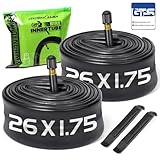
Butyl rubber tubes are the workhorses of the bicycle inner tube world. They are the most common type and the go-to choice for many cyclists due to their balance of affordability, durability, and air retention. Butyl rubber is a synthetic rubber known for its elasticity and ability to conform to the tire casing. This flexibility helps the tube withstand impacts and punctures. The main advantage of butyl rubber tubes is their cost-effectiveness. They are generally inexpensive, making them an accessible option for budget-conscious cyclists. The material also provides a good level of air retention, meaning you won’t need to inflate your tires as frequently as with some other tube types.
However, butyl rubber tubes aren’t perfect. They tend to be heavier than some alternatives, and they are not as puncture-resistant as tubes made from more specialized materials. The weight can be a consideration for performance-oriented riders. Butyl tubes are also susceptible to degradation over time, particularly from UV exposure. Proper storage is crucial to extending their lifespan. In general, they offer a reliable and practical solution for everyday riding, commuting, and recreational use. The wide availability and ease of replacement make them a convenient choice for cyclists of all levels.
Features of Butyl Rubber Tubes
- Affordability: Butyl tubes are typically the most budget-friendly option.
- Air Retention: They hold air well, reducing the frequency of inflation.
- Durability: Offer reasonable resistance to punctures and wear.
- Weight: They are typically heavier than latex or TPU options.
Example: A cyclist using a standard butyl tube for their daily commute. They experience a flat tire caused by a small piece of glass. Because the butyl tube is durable, it protects the tire.
2. Lightweight Latex Tubes
For cyclists seeking to optimize performance and reduce weight, latex tubes are an excellent choice. Latex is a natural rubber material known for its superior elasticity, which allows it to conform to the tire casing more effectively than butyl rubber. This characteristic results in a smoother ride, as the tube absorbs road vibrations more efficiently. The elasticity also helps improve rolling resistance, making it easier for the cyclist to maintain speed. Latex tubes are often considerably lighter than butyl tubes, a significant advantage for riders looking to shave off weight. This benefit is especially noticeable when climbing or accelerating.
The main drawback of latex tubes is their air retention. Compared to butyl, latex tubes leak air more quickly. Cyclists need to inflate their tires more frequently, often before each ride. Latex is also more expensive than butyl rubber, making it a more premium option. Puncture resistance is another area where latex can be lacking compared to some other materials, so riders must be prepared for potential flats. Despite these considerations, the performance benefits of latex tubes make them a popular choice for road cyclists and those focused on speed and efficiency. The enhanced ride quality and reduced rolling resistance can significantly improve the riding experience.
Attributes of Latex Tubes
- Lightweight: Significantly lighter than butyl tubes, reducing overall bike weight.
- Ride Quality: Provides a smoother ride due to increased elasticity.
- Rolling Resistance: Lower rolling resistance, enhancing speed and efficiency.
- Air Retention: Requires more frequent inflation due to quicker air leakage.
Example: A road cyclist using latex tubes during a race. The reduced rolling resistance and lighter weight help the cyclist maintain a higher average speed and conserve energy.
3. Thermoplastic Polyurethane (TPU) Tubes
TPU tubes represent a modern innovation in bicycle inner tube technology, offering a compelling blend of performance and durability. TPU is a thermoplastic polymer known for its strength, elasticity, and excellent puncture resistance. Tubes made from TPU are often significantly lighter than butyl and latex tubes, making them an excellent choice for weight-conscious cyclists. The material’s high elasticity provides a smooth and responsive ride, absorbing road vibrations and enhancing comfort. Perhaps the most significant advantage of TPU tubes is their puncture resistance. TPU is more resistant to punctures than both butyl and latex, reducing the likelihood of flat tires.
TPU tubes can be more expensive than butyl, making them a premium option. They may also be less readily available in all bike shops. Some riders find that TPU tubes can be more challenging to install and repair than traditional tubes. While not a deal-breaker, it’s something to consider. Overall, TPU tubes offer exceptional performance and durability, making them a top choice for cyclists who prioritize weight savings, puncture protection, and a smooth ride. Their growing popularity reflects the increasing demand for advanced materials in the cycling world.
Qualities of TPU Tubes
- Lightweight: Extremely lightweight, contributing to overall bike weight reduction.
- Puncture Resistance: Offers superior puncture resistance compared to butyl and latex.
- Ride Quality: Provides a smooth and responsive ride.
- Cost: Generally more expensive than butyl tubes.
Example: A mountain biker using TPU tubes on a technical trail. The tubes’ puncture resistance helps them avoid flats, allowing them to complete the ride.
4. Self-Sealing Tubes
Self-sealing tubes are a convenient option for cyclists seeking extra protection against punctures. These tubes are constructed with a sealant, typically a liquid or gel, inside that seals small punctures automatically. When a puncture occurs, the sealant is forced into the hole by the air pressure, effectively plugging it and preventing air loss. This feature is particularly useful for preventing flats caused by small thorns, glass, or other road debris. Self-sealing tubes can save cyclists time and effort by eliminating the need to stop and repair a flat tire immediately.
The effectiveness of self-sealing tubes depends on the size of the puncture. Larger punctures may exceed the sealant’s capacity, and the tube might still require repair or replacement. The sealant can also affect the tube’s weight and rolling resistance, adding a small amount of extra weight compared to standard tubes. The sealant inside can sometimes dry out over time, reducing its effectiveness, so it is important to check and replace these tubes periodically. Despite these limitations, self-sealing tubes offer a practical solution for cyclists who want added protection against punctures and the convenience of fewer flat tire repairs. These tubes are popular among commuters and recreational riders who seek a hassle-free riding experience.
Characteristics of Self-Sealing Tubes
- Puncture Protection: Contain sealant that automatically seals small punctures.
- Convenience: Reduces the need for immediate flat tire repair.
- Weight: May be slightly heavier than standard tubes.
- Effectiveness: Dependent on the size of the puncture.
Example: A commuter using self-sealing tubes to ride to work every day. The self-sealing capability prevents flats from small punctures, allowing them to arrive at their destination without delay.
5. Tubeless Systems (Compared to Tubes)
While not an inner tube in the traditional sense, tubeless systems offer a different approach to preventing flats. Tubeless systems involve sealing the tire directly to the rim, eliminating the need for an inner tube. Instead, a sealant is used inside the tire to seal any punctures. This setup offers several advantages, including improved puncture resistance, lower rolling resistance, and the ability to run lower tire pressures for enhanced grip and comfort. Tubeless systems are a growing trend, especially in mountain biking and gravel riding, where the risk of punctures is high.
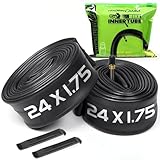

Setting up and maintaining a tubeless system can be more involved than using tubes. The initial setup requires special rims and tires, as well as the use of sealant and sometimes rim tape. Sealing the tires can sometimes be tricky. The sealant must be replenished periodically, as it can dry out over time. Tubeless systems are generally more expensive than using tubes, particularly in the initial setup. Despite these challenges, tubeless systems provide significant benefits in terms of performance and flat prevention. They are becoming increasingly popular for riders who prioritize performance and reliability. In a 2023 study by the cycling industry, it was found that 45% of professional cyclists are using tubeless systems in competition, highlighting the advantages of this technology.
Attributes of Tubeless Systems
- Puncture Resistance: Significantly reduces flats with sealant.
- Rolling Resistance: Lower rolling resistance due to the absence of tube friction.
- Tire Pressure: Allows for lower tire pressures, improving grip and comfort.
- Maintenance: Requires periodic sealant replenishment and a more involved setup.
Example: A gravel rider using a tubeless system to participate in a long-distance event. The tubeless setup helps them avoid flats on rough terrain, allowing them to focus on the ride without worrying about mechanical issues.
Common Myths Debunked
Myth 1: All bicycle inner tubes are the same.
Reality: There are several different types of inner tubes, each with its own advantages and disadvantages. Butyl rubber tubes are the most common and affordable, offering a good balance of durability and air retention. Latex tubes are lighter and provide a smoother ride but require more frequent inflation. TPU tubes are known for their exceptional puncture resistance and lightweight design. The correct selection depends on your riding style, budget, and priorities.
Myth 2: Higher tire pressure always means fewer flats.
Reality: While higher tire pressure can reduce the risk of pinch flats (where the tube gets pinched between the tire and rim), it can also increase the likelihood of punctures from sharp objects. Also, high pressure will lead to a harsher, less comfortable ride. Finding the appropriate tire pressure for your weight, riding conditions, and tire type is key. Refer to the sidewall of your tire for the recommended pressure range and experiment to find what suits your style.
Myth 3: You can use any valve type with any rim.
Reality: Not all valve types are compatible with all rims. There are two main types of valves: Schrader and Presta. Schrader valves are wider and typically used on mountain bikes and hybrid bikes, while Presta valves are thinner and used on road bikes. Ensure your rim has the correct valve stem hole size for the valve type of your inner tube. Trying to force an incompatible valve into a rim can damage the rim and the tube.
Myth 4: Punctures always mean the tube is ruined.
Reality: Not necessarily. Small punctures can often be repaired with a patch kit, extending the life of your tube and saving you money. Patch kits include patches, adhesive, and a scuffer to prepare the tube’s surface. With a little practice, patching a tube can be a quick and effective solution, especially for punctures that are not located near the valve stem. Always carry a patch kit and learn how to use it, so you are always prepared.
Myth 5: All tubeless systems are difficult to set up.
Reality: While the initial setup of a tubeless system can require some effort, the process has become easier over time. Modern tubeless-ready rims and tires are designed for a better seal, reducing the hassle. Numerous tutorials and videos are available online to guide you through the process, and with practice, you can get proficient at setting up and maintaining a tubeless system.
Frequently Asked Questions
Question: How do I determine the correct size of inner tube for my bike?
Answer: Check the sidewall of your tire for the size markings. It usually includes the diameter (e.g., 26 inches, 700c) and the width (e.g., 1.95, 25mm). Choose an inner tube that matches these specifications.
Question: What is the difference between Schrader and Presta valves?
Answer: Schrader valves are wider and typically found on mountain and hybrid bikes. Presta valves are thinner and used on road bikes. Presta valves have a lock nut to hold air, and they require a specific pump head to inflate.
Question: How can I prevent flat tires?
Answer: Regularly inspect your tires for cuts or embedded objects. Maintain the correct tire pressure, use tire liners, and consider tubeless systems or self-sealing tubes for added protection.
Question: How often should I replace my inner tubes?
Answer: Replace inner tubes when they get a puncture. Check your tubes periodically for wear and tear, and replace them if the rubber becomes dry, cracked, or stretched. If you get frequent flats, consider replacing your tires and inner tubes together.
Question: Are there inner tubes that can repair themselves?
Answer: Yes, self-sealing tubes have a sealant inside that automatically seals small punctures. However, for larger punctures, a patch kit or replacement may still be needed.
Final Thoughts
Selecting the ideal bicycle inner tubes for your bike hinges on a thorough exploration of factors like your budget, riding style, and desire for top performance. Whether you prioritize durability, weight savings, or an enhanced riding experience, the diversity in tube types ensures there’s a match for everyone. Taking the time to explore the different materials, valve types, and sizes available will help you make an educated choice. Once you have a suitable tube, maintaining it will improve its life. Also, consider the use of tire liners or tubeless systems. By equipping yourself with the right knowledge and tools, you can experience a smooth and worry-free riding experience. Enjoy the ride!