Learning to ride a bike can feel tricky at first. Many people wonder about the best way quick learn bicycle riding for beginners. It’s common to feel a bit wobbly or unsure.
But don’t worry! With simple steps and a little practice, anyone can learn to pedal with confidence. This guide will break it down for you, making it super easy to get rolling.
Mastering Your Bicycle Quickly And Easily
Getting on a bike for the first time can spark a mix of excitement and nerves. The idea of balancing and moving forward on two wheels might seem challenging. However, the best way quick learn bicycle riding for beginners is all about breaking down the process into manageable steps.
Many find that focusing on the core skills makes a big difference. This approach helps build confidence with every pedal stroke.
Getting Ready To Ride
Before you even think about pedaling, setting yourself up for success is key. This involves a few simple checks and preparations. Making sure you have the right gear and your bike is ready will make your learning experience much smoother and safer.
Choosing The Right Bicycle
The bicycle you choose can significantly impact how quickly you learn. For beginners, a simple bike is often best. Avoid bikes with too many gears or complicated suspension systems at first.
A sturdy, basic bicycle that fits you well is ideal.
Frame Size Matters
The size of the bike should match your height. When you straddle the bike with both feet flat on the ground, there should be a few inches of clearance between you and the top bar. This allows you to dismount quickly if needed.
Seat Height For Learning
When starting, set the seat so your feet can comfortably touch the ground. This is crucial for balance and confidence. As you get better, you can raise the seat so your legs have a slight bend at the bottom of the pedal stroke.
Essential Safety Gear
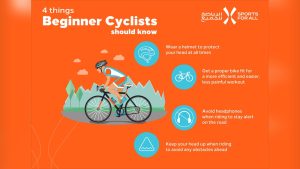
Safety is not optional; it’s the foundation of learning. Always wear protective gear. This will help you feel more secure and less afraid of falling.
- Helmet: This is the most important piece of safety gear. Make sure it fits snugly and is worn correctly.
- Pads: Knee pads and elbow pads can offer extra protection and boost your confidence.
- Gloves: Cycling gloves can protect your hands if you fall and improve your grip.
Finding A Safe Learning Spot
The environment where you practice is just as important as the bike and gear. You need a place where you won’t be in the way of traffic and where the ground is smooth and soft.
- Flat, Open Areas: Large, empty parking lots on weekends, quiet parks, or schoolyards with smooth pavement are great.
- Slightly Inclined Areas: Once you get a feel for balancing, a very gentle, grassy slope can help you learn to glide and brake without pedaling too much.
The First Steps To Riding
Now that you’re prepared, let’s get to the actual learning part. The best way quick learn bicycle riding for beginners involves mastering balance before focusing on pedaling.
Balancing Without Pedals (Scooting)
This is where many people skip a step. If your bike has removable pedals or you can use a balance bike, this is the perfect starting point. Remove the pedals from a regular bike, or use a balance bike, and let your feet be your guide.
Straddle the bike with your feet flat on the ground. Now, push off with your feet like you’re scooting on a scooter. Start with small pushes, then gradually push harder and lift your feet off the ground for short periods.
Focus on gliding and keeping the bike upright. This teaches your body how to balance naturally. You’ll be surprised how quickly you get the hang of it!
Learning To Glide
As you get more comfortable pushing and gliding, try to extend the time you keep your feet off the ground. Look ahead, not down at your feet or the front wheel. This forward gaze helps you steer and maintain balance.
You want to feel the bike want to stay upright on its own. Glide for as long as you can, making small adjustments with your body to stay balanced.
Introducing Braking
Even when just gliding, you need to know how to stop. Most bikes have hand brakes. Understand which lever controls which wheel (usually the right lever is the rear brake, and the left is the front brake).
Practice squeezing them gently while gliding to feel how they work.
When you need to stop, apply both brakes gently and evenly. Avoid grabbing them suddenly, especially the front brake, as this can cause you to go over the handlebars. Practice stopping smoothly while gliding.
This is a vital skill for control.
Adding Pedals And Pedaling
Once you feel confident balancing and gliding, it’s time to re-attach the pedals (if you removed them) or start using them if you have a balance bike that converts. This is where the real biking begins!
Mounting And Pedaling
Start by having your feet flat on the ground, as you did for scooting. Place your feet on the pedals. Push off with one foot to get a little momentum.
As you push off, lift that foot and place it on the pedal, then start pedaling with both feet.
Again, look ahead. Your initial pedal strokes might be a bit wobbly. That’s completely normal.
Focus on making smooth, continuous circles with the pedals. Try to keep a steady rhythm.


Starting On A Gentle Slope
If you can find a very gentle, grassy slope, it can be a fantastic place to practice pedaling for the first time. The slight incline will help you gain a little speed without having to push too hard, allowing you to focus on pedaling and steering.
Stand at the top of the slope with your feet on the pedals. Gently push off with one foot to start moving. As you roll down, start pedaling.
The momentum will help keep you upright. Remember to look ahead and steer smoothly. Use your brakes to control your speed or stop at the bottom.
Common Beginner Challenges And How To Overcome Them
Even with the best approach, some common issues pop up for new riders. Knowing these ahead of time can help you push through.
Fear Of Falling
This is the biggest hurdle for many. The best way to combat it is by practicing in safe environments with protective gear. As you gain balance and control, your fear will naturally decrease.
Remember that falling is part of learning for almost everyone. It’s rarely as bad as you imagine, especially with pads.
Looking Down
It’s natural to want to look at your feet or the pedals when you’re trying to figure things out. However, this throws off your balance. Consciously force yourself to look where you want to go.
The bike will follow your gaze.
Wobbly Pedaling
Jerky or uneven pedaling makes balancing harder. Focus on making smooth, round strokes. Think about turning the pedals in a continuous circle.
Your body will naturally adjust to find a smoother rhythm as you gain practice.
Stopping Too Abruptly
Sudden braking can be dangerous and make you lose balance. Practice smooth, controlled stops. Apply both brakes gently.
If you feel yourself losing balance, ease off the brakes slightly and use your feet to steady yourself.
Building Confidence And Stamina
Once you can ride a bit, the next step is to build your confidence and endurance. The best way quick learn bicycle riding for beginners also involves making riding a positive and regular experience.
Short, Frequent Practice Sessions
It’s better to practice for 15-30 minutes every day than for two hours once a week. Frequent, short sessions help reinforce what you’ve learned without causing fatigue or frustration. This consistent practice is key to solidifying your skills.
Riding On Different Surfaces
Once you’re comfortable on smooth pavement, try riding on slightly different surfaces like well-maintained gravel paths or dirt trails. This helps you develop better bike handling skills and adapt to varied terrain.
Exploring New Routes
Gradually introduce yourself to new places to ride. Start with quiet neighborhood streets, then perhaps a local bike path. This makes learning exciting and gives you a sense of accomplishment as you explore your surroundings.
Your First Bicycle Ride Adventures
Learning to ride a bike opens up a world of possibilities. It’s a skill that offers freedom, fun, and a great way to stay active. The best way quick learn bicycle riding for beginners truly lies in patience, consistent practice, and a step-by-step approach.
Key Skills To Focus On
- Balance
- Steering
- Braking
- Pedaling
Remember to always wear your helmet and be aware of your surroundings. With each ride, you’ll become more confident and capable. Soon, you’ll be enjoying the simple joy of cycling.
Frequently Asked Questions
Question: What is the most important thing for a beginner cyclist?
Answer: The most important thing is to learn to balance. Practicing gliding with your feet on the ground before pedaling helps build this essential skill and makes learning to ride much easier.
Question: How long does it typically take to learn to ride a bike?
Answer: It varies for everyone, but many beginners can learn the basics of balancing and pedaling within a few short practice sessions. Consistent practice, even for short periods, speeds up the learning process.
Question: Should I remove the pedals when learning?
Answer: Yes, removing the pedals is highly recommended. It turns your bike into a balance bike, allowing you to focus solely on balance and gliding, which is the most critical skill for new riders.
Question: What if I’m afraid of falling?
Answer: Wear protective gear like a helmet, knee pads, and elbow pads. Practice in a safe, open area like a grassy field or an empty parking lot. Knowing you’re protected can significantly reduce fear.
Question: How do I know if the bike is the right size?
Answer: When standing over the bike with both feet flat on the ground, there should be a few inches of space between you and the top bar. This allows for safe mounting and dismounting.
Final Thoughts
You’ve learned the best way quick learn bicycle riding for beginners involves mastering balance first. Scooting and gliding build a strong foundation. Then, adding pedals and practicing smooth pedaling and braking leads to confidence.
Keep practicing in safe spots. You’ll be riding with ease before you know it!