Many people wonder: Can you get a DUI on a bicycle in Texas? The short answer is yes. You can face serious trouble if you ride a bicycle while drunk in Texas.
What Does DUI Mean?
DUI means Driving Under the Influence. It means you are using a vehicle while drunk or high. Usually, people think of cars or trucks. But Texas law can also apply to bicycles.

Credit: www.wm-attorneys.com
Is a Bicycle a Vehicle in Texas Law?
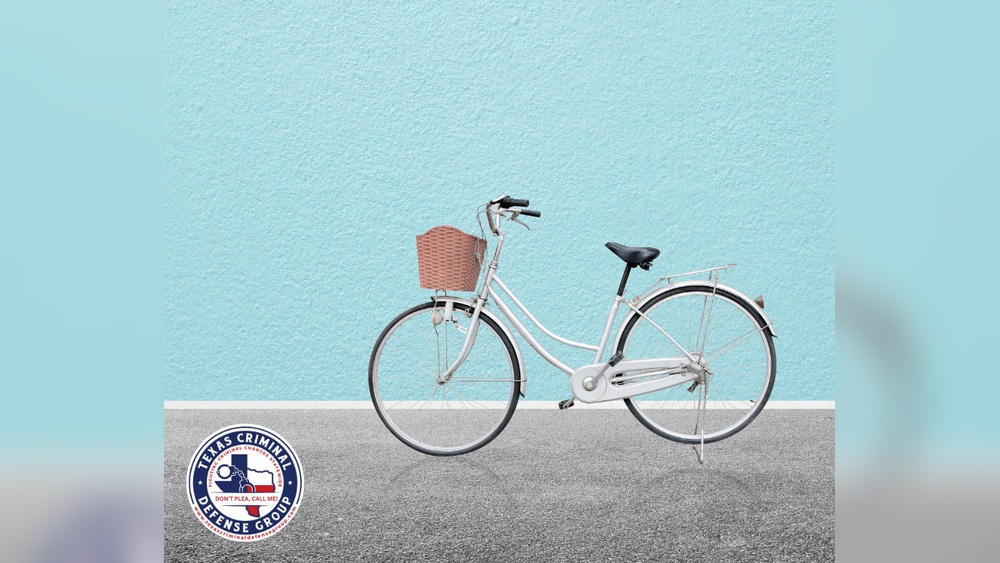
Texas law talks about vehicles in a broad way. It does not only mean cars. It means any device that moves people on a public road. This can include bicycles.
Because of this, some police officers and lawyers say that a bike is a vehicle. So, riding a bike while drunk could count as a DUI or DWI.
What is DWI?
DWI means Driving While Intoxicated. In Texas, DWI is the common term for DUI. The law says you cannot operate a vehicle while intoxicated. This can mean drunk or drugged.
Can You Get a DWI on a Bicycle?
Yes. Texas law does not clearly say you cannot get a DWI on a bike. Some prosecutors use the DWI law for bicycles. They say a bike is a vehicle and you are driving it.
But Texas law is not perfect on this point. Sometimes, it is not clear if a bike is a motor vehicle or not. Still, police may charge you with DWI if you ride drunk on a bike.
Other Charges You Can Get on a Bicycle While Drunk
Even if you do not get a DWI, other charges are possible. One common charge is Public Intoxication. This means you are drunk in public and may cause trouble.
You can also get charges for breaking traffic laws. Bicycles must follow the same rules as cars on the road.
If you cause an accident while drunk on a bike, you may get more serious charges, like negligence or reckless conduct.
Why Is Riding a Bike Drunk Dangerous?
- You can fall and hurt yourself.
- You may hit a car or a person.
- You may not see traffic signs well.
- You can lose balance and fall.
- You can cause accidents.
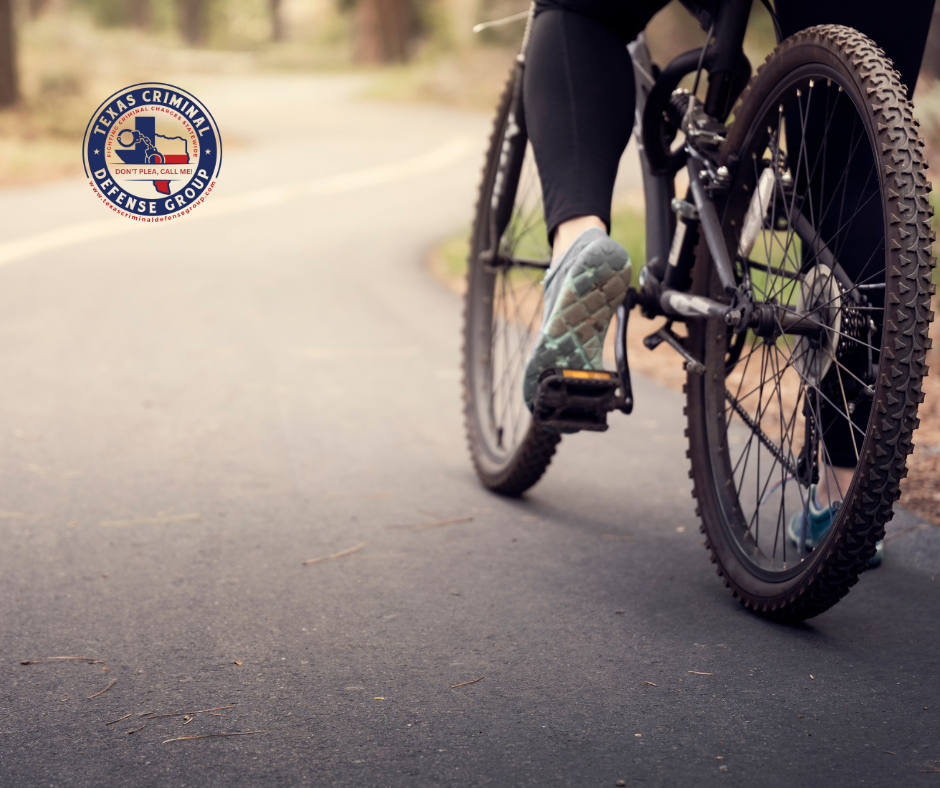
Because of these risks, the law wants to keep drunk cyclists safe and others safe too.
Credit: texascriminaldefensegroup.com
What Are the Consequences of a DWI on a Bicycle?
If you get a DWI or similar charge, you can face serious consequences.
| Consequence | Explanation |
|---|---|
| Fines | You may have to pay money to the court. |
| Jail Time | Some charges can lead to time in jail. |
| Criminal Record | The charge stays on your record for years. |
| Employment Problems | Employers may see your record and not hire you. |
| Insurance Issues | Your insurance rates can go up or be canceled. |
How Does Texas Police Decide?
Police officers use their judgment. They watch how you ride. They check if you smell like alcohol or show signs of being drunk.
If they think you are too drunk, they may stop you and ask for a test.
What Tests Can Police Use?
Police can use field sobriety tests. These tests check your balance, coordination, and ability to follow instructions. You can also be asked to take a breath or blood test.
What Should You Do If Stopped?
- Stay calm and polite.
- Do not fight the police.
- You have the right to remain silent.
- Ask for a lawyer if needed.
- Follow legal advice carefully.
Is It Better to Walk Instead of Ride?
If you are drunk, it is safer to walk. Bicycles can be dangerous if you are not alert. Walking avoids the risk of a DWI on a bike.
Summary: Can You Get a DUI on a Bicycle in Texas?
Yes, it is possible to get a DUI or DWI on a bicycle in Texas. The law is not very clear, but police and courts can use the DWI law for bikes. You can also get other charges like public intoxication.
Riding a bike while drunk is risky. It can cause accidents and harm. The penalties can be serious and hurt your future.
It is best to avoid riding a bicycle after drinking alcohol. Stay safe and follow the law.
Important Tips to Remember
- Do not drink and ride a bike.
- If you drink, find another way to get home.
- Know that Texas law may treat bikes like vehicles.
- Be aware of police and legal risks.
- Always prioritize safety for yourself and others.
Understanding these rules helps you make smart choices. Keep yourself safe and avoid trouble.