Are you ready to boost your fitness while enjoying the fresh air? Starting bicycling for fitness is one of the smartest moves you can make for your health.
It’s simple, fun, and suits almost any fitness level. Imagine burning calories, building strength, and clearing your mind—all while riding your bike. In this guide, you’ll discover easy steps to get started, tips to stay motivated, and how to make bicycling a regular part of your life.
Keep reading, and soon you’ll be on your way to a healthier, happier you.
:max_bytes(150000):strip_icc()/Health-GettyImages-1488956789-accc05d0a0b84bb0bed1455df1cd9215.jpg "How to Start Bicycling for Fitness: Ultimate Beginner’s Guide 2")
Credit: www.health.com
Choosing The Right Bike
Choosing the right bike makes your fitness journey easier and more fun. The right bike fits your body and suits your workout style. It helps you avoid injuries and enjoy every ride. Understanding bike types, size, and accessories matters a lot. This guide covers key points to help you pick the perfect bike.
Types Of Bikes For Fitness
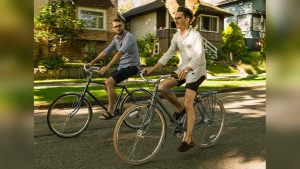
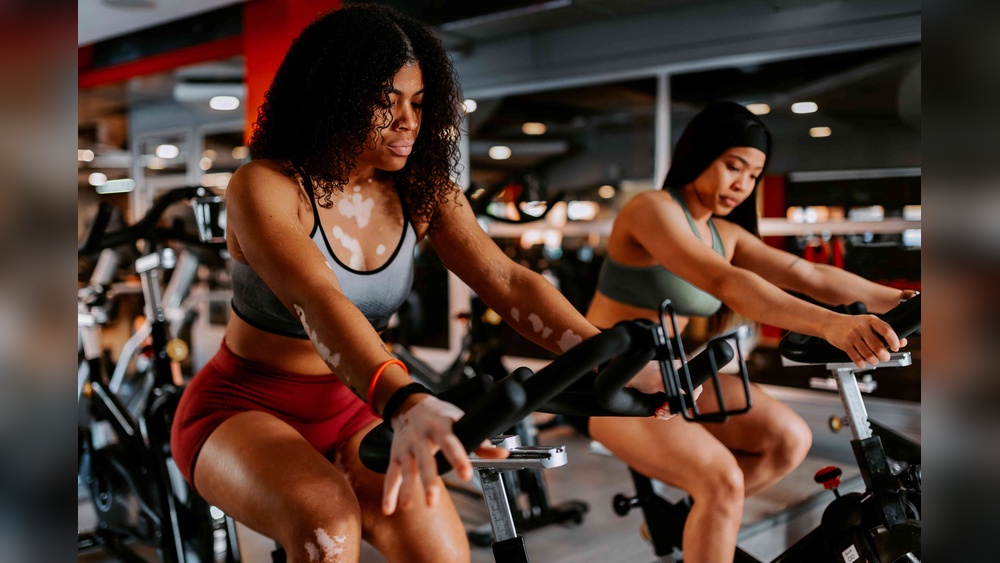
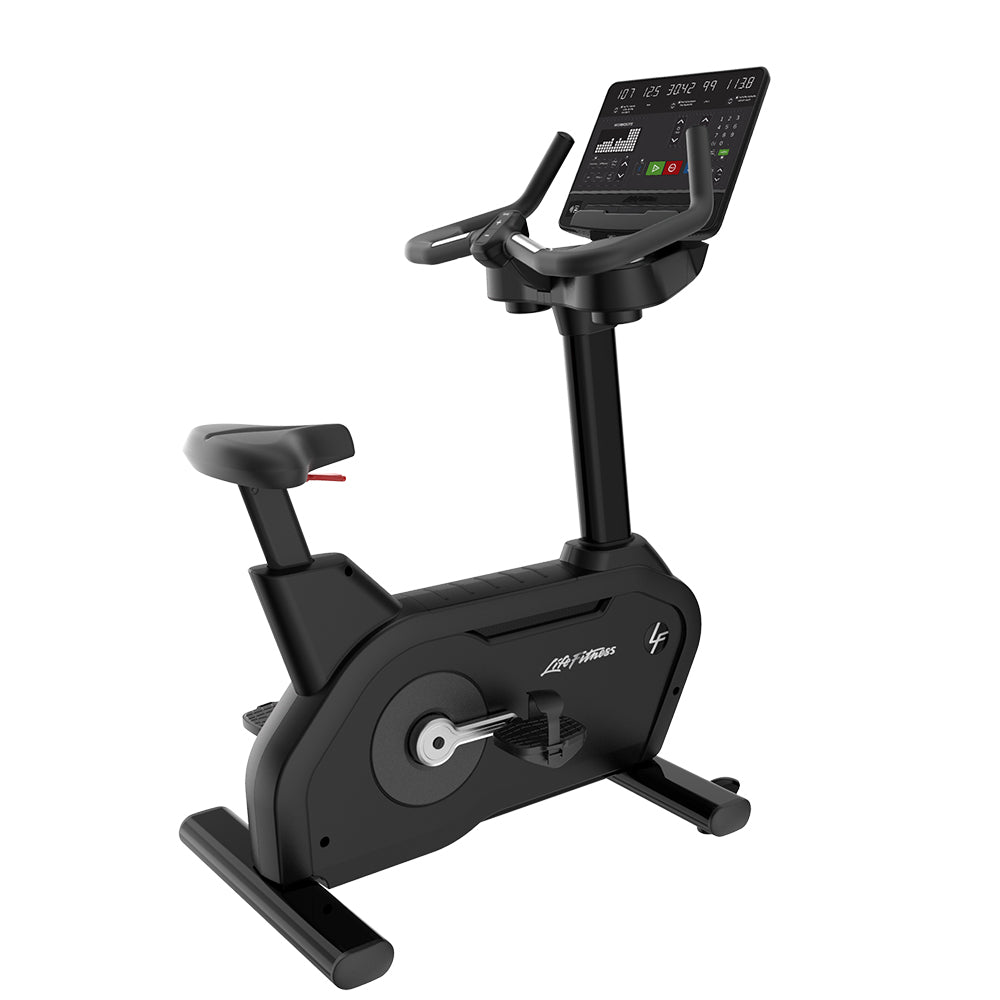
Road bikes are light and fast, best for smooth streets. Hybrid bikes mix road and mountain features for comfort and speed. Mountain bikes have thick tires and strong frames for rough trails. Stationary bikes stay indoors and offer steady workouts. Choose the type that matches your fitness goals and where you will ride.
Sizing And Fit Tips
Bike size depends on your height and leg length. Stand over the bike; there should be a few inches of clearance. Adjust the seat height so your legs bend slightly at the bottom of a pedal stroke. Handlebar height affects comfort and control. Test ride to feel if the bike fits well. A proper fit reduces pain and improves performance.
Essential Accessories
A helmet protects your head and is a must-have. Gloves improve grip and protect your hands. Lights and reflectors increase safety, especially in low light. A water bottle keeps you hydrated during rides. A pump and repair kit help fix minor issues on the road. These accessories enhance your comfort and safety while cycling.
Credit: shop.lifefitness.com
Basic Gear And Safety
Starting bicycling for fitness needs the right gear and safety measures. Proper equipment protects you and makes rides more comfortable. Safety gear lowers injury risks and boosts confidence on the road. Comfort gear helps you enjoy longer rides without pain or distraction.
Helmet And Protective Gear
A good helmet is a must for every cyclist. It protects your head from serious injuries. Choose one that fits snugly and meets safety standards. Wrist guards, gloves, and knee pads add extra protection. They shield your skin and joints from scrapes and falls.
Clothing For Comfort
Wear clothes that fit well and allow easy movement. Breathable fabrics help keep sweat away and cool your body. Padded shorts reduce saddle soreness during longer rides. Avoid loose clothes that can get caught in the bike chain or wheels.
Visibility And Lighting
Be seen to stay safe. Bright or reflective clothing makes you visible to drivers. Use front and rear lights, even during daylight. Lights improve visibility in low light and bad weather. Reflectors on your bike also help others spot you quickly.
Starting Your Ride
Starting your ride is the first step toward better fitness with bicycling. It sets the tone for your whole experience. Taking time to prepare helps you enjoy cycling more and avoid injuries.
Focus on small actions that build confidence and comfort. A good start makes it easier to keep riding regularly.
Setting Realistic Goals
Begin with goals that match your current fitness and schedule. Choose short rides at first, around 10 to 15 minutes.
Gradually increase your time and distance. This steady progress prevents burnout and injury.
Write down your goals. Track your rides to see improvement. Celebrate small wins to stay motivated.
Warm-up And Stretching
Warming up prepares your muscles and joints for cycling. Start with 5 minutes of easy pedaling or walking.
Stretch your legs, hips, and lower back gently. Stretching helps reduce stiffness and soreness.
Never skip warm-up. It keeps your body ready and lowers injury risks.
Finding Beginner-friendly Routes
Choose flat and quiet paths for your first rides. Avoid busy streets and steep hills.
Parks, bike trails, and local neighborhoods often offer safe routes. Check maps or apps for bike paths near you.
Start on short loops. Familiar routes build confidence and improve your skills.
Credit: movewithascend.com
Building Endurance And Strength
Building endurance and strength is key for successful bicycling workouts. Strong muscles help you ride longer and avoid injuries. Endurance allows you to keep cycling without feeling tired quickly. Focus on steady progress to improve both.
Gradual Distance Increase
Start with short rides to avoid fatigue. Add small distances each week. This helps your body adjust to more riding. Avoid big jumps in distance. Your muscles and heart get stronger step by step. Consistency beats speed here.
Incorporating Intervals
Mix slow and fast cycling in one ride. Sprint for 30 seconds, then pedal slowly for a minute. Repeat this pattern several times. Intervals build strength and improve your heart health. They also make rides less boring.
Cross-training Benefits
Do exercises other than cycling to build strength. Try swimming, running, or weight training. These activities help muscles used in cycling. Cross-training reduces injury risk and boosts endurance. It keeps your fitness routine balanced and fun.
Maintaining Your Bike
Keeping your bike in good shape helps you enjoy riding and avoid problems. Regular care keeps it safe and smooth. It also saves money by stopping big repairs.
Basic Maintenance Tips
Clean your bike often. Dirt and dust can wear parts quickly. Wipe the frame and chain after rides. Check bolts and screws to keep them tight. Lubricate the chain regularly to stop rust and noise.
Tire Care And Inflation
Check tires for cuts, cracks, or worn tread. Look for any objects stuck in the tires. Keep tires inflated to the pressure shown on the sidewall. Proper inflation makes riding easier and safer. Use a good pump with a pressure gauge for best results.
When To Visit A Mechanic
Visit a mechanic if you hear strange noises or feel rough pedaling. Problems with brakes or gears need expert help. Mechanics can fix complex issues and adjust parts correctly. Regular checkups at a shop keep your bike ready to ride.
Tracking Progress And Staying Motivated
Tracking your progress helps you see how far you have come. It keeps you motivated to ride more and get fitter. Watching improvements, no matter how small, builds confidence and makes cycling fun. Staying motivated is key to making cycling a regular habit.
Using Apps And Gadgets
Apps and gadgets make tracking easy and accurate. Use a cycling app to record distance, speed, and route. Some apps show calories burned and give goal reminders. Fitness trackers on your wrist can count steps and heart rate. These tools give instant feedback to keep you focused.
Joining Cycling Groups
Cycling groups create a sense of community and support. Riding with others makes exercise more enjoyable. Group rides push you to ride longer or faster. Sharing goals and achievements helps you stay motivated. Many groups have beginners, so you can learn at your own pace.
Rewarding Milestones
Set small goals and celebrate when you reach them. Rewards can be a rest day, a new accessory, or a favorite meal. Recognizing milestones keeps your spirits high. It makes the effort feel worthwhile. Rewards help you keep moving forward on your cycling journey.
Frequently Asked Questions
How Do I Choose The Best Bike For Fitness?
Choose a bike based on your fitness goals and terrain. Road bikes suit speed, hybrids offer comfort, and mountain bikes handle rough trails. Ensure the bike fits your body size to avoid injury and improve efficiency.
What Gear Is Essential For Beginner Cyclists?
Essential gear includes a well-fitted helmet, comfortable padded shorts, gloves, and proper footwear. Also, consider a water bottle, bike lock, and lights for safety and convenience.
How Often Should Beginners Cycle For Fitness?
Start with 3 to 4 sessions per week, each lasting 20 to 30 minutes. Gradually increase time and intensity as your endurance improves to avoid burnout or injury.
What Are Effective Warm-up Exercises Before Cycling?
Effective warm-ups include leg swings, gentle stretches, and light pedaling for 5 to 10 minutes. This prepares muscles and joints, reducing injury risk and improving cycling performance.
Conclusion
Starting bicycling for fitness can bring many health benefits. It helps improve your heart and muscles. You can ride at your own pace and time. Simple steps like choosing the right bike and safety gear matter. Enjoy the fresh air and nature on your rides.
Small rides can grow into longer, more fun trips. Stay consistent and listen to your body. Bicycling can become a fun part of your daily life. Give it a try and feel the difference yourself.