Picture this: you’re planning a weekend getaway, envisioning scenic trails and fresh air. Then, reality hits – your old bike is gathering dust, and the thought of a bumpy ride on an unreliable machine is less than appealing. Many cyclists face similar predicaments. This post will help you discover what makes a world’s best bicycle brand stand out. We’ll explore the key factors influencing a bike’s performance, design, and overall riding experience, equipping you with the knowledge to make informed decisions and transform your cycling experiences.
Key Takeaways
- The world’s best bicycle brand prioritizes superior frame materials for durability and performance.
- Innovative technology and component integration are hallmarks of top-tier bicycle brands.
- Exceptional customer service and support enhance the overall ownership experience.
- A commitment to sustainability and ethical practices is increasingly important.
- The best brands balance performance with rider comfort and enjoyment.
- Reputation and brand heritage play a significant role in consumer trust.
The 5 Pillars of the World’s Best Bicycle Brand
Choosing the right bicycle can be a challenge. With so many options available, it’s difficult to identify what makes a truly exceptional brand. The world’s best bicycle brand is more than just a name; it’s a testament to engineering, innovation, and a dedication to the rider’s experience. This brand should demonstrate a thorough commitment to quality, a dedication to research, and a clear understanding of what cyclists want and need. It should balance performance with comfort and durability with style. Furthermore, the brand should embody a strong sense of community and support its riders with top-notch service. Here, we’ll explore five key aspects that help define the best.
1. Frame Material: The Foundation of Excellence
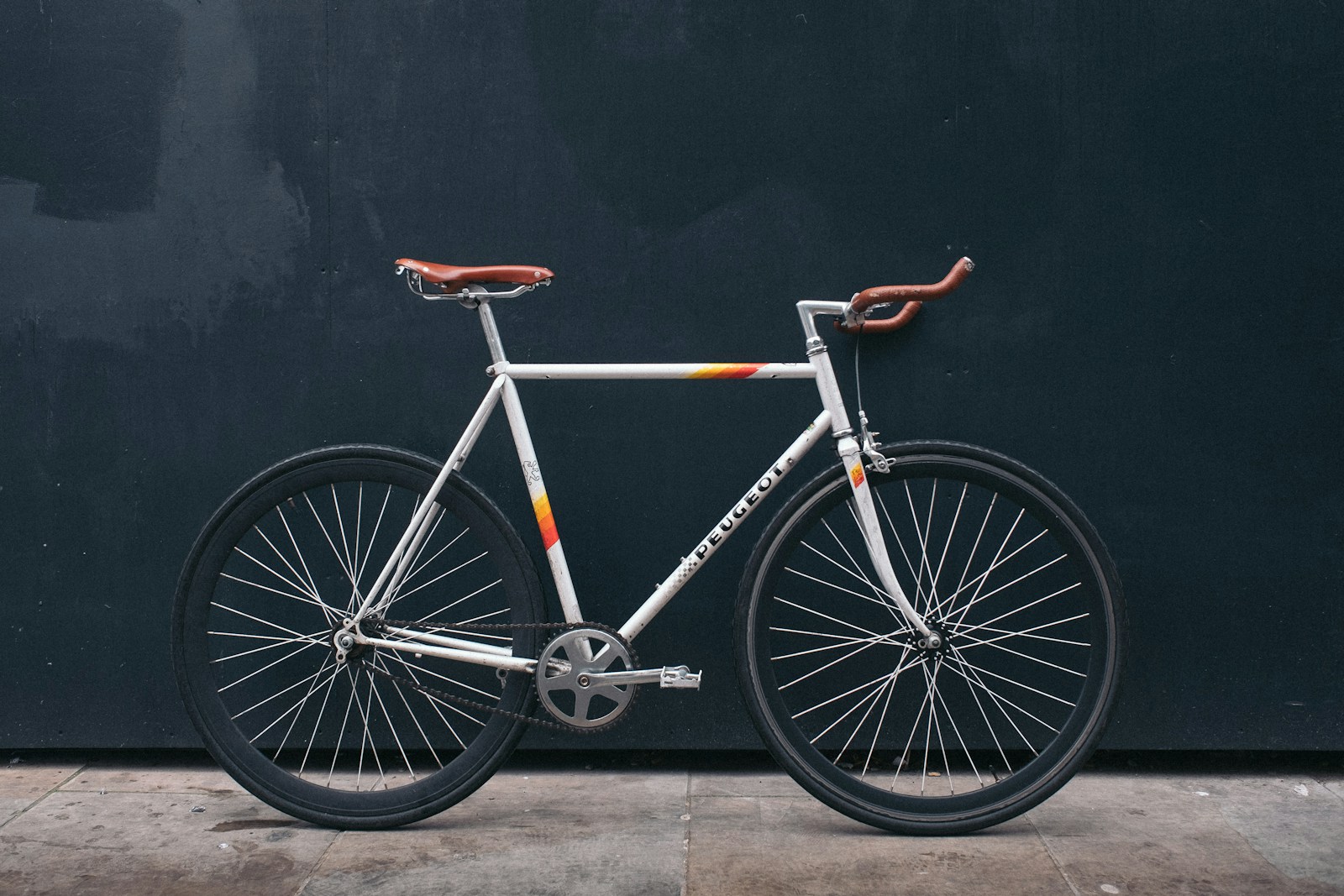
The frame is the backbone of any bicycle. The choice of material directly affects the bike’s weight, stiffness, comfort, and durability. High-quality frames use materials that balance these factors to create an optimum riding experience. The best brands invest in rigorous testing and development to ensure their frames meet the highest performance standards.
Key Frame Materials and Their Impact
- Carbon Fiber: This material is known for its exceptional strength-to-weight ratio. Frames made of carbon fiber are incredibly lightweight and can be shaped into complex designs to enhance aerodynamics and stiffness. The ability to absorb road vibrations contributes to rider comfort, making it a favorite for high-performance bikes. Many top-tier brands invest heavily in carbon fiber technology to create frames that are both fast and comfortable. Carbon fiber bikes are often a popular choice for professional cyclists and those seeking top performance.
For instance, a study by the University of Colorado revealed that carbon fiber frames can reduce road vibration transfer by up to 30% compared to aluminum frames.
- Aluminum: Aluminum is a more affordable option that still offers a good balance of weight and durability. It’s a popular choice for entry-level and mid-range bikes. Aluminum frames tend to be stiffer than carbon fiber frames, which makes them feel more responsive to the rider’s input. Modern aluminum frames often feature advanced shaping techniques and hydroforming to enhance both performance and aesthetics. Aluminum is also highly recyclable, making it an eco-friendly option.
A study by the Bicycle Association found that aluminum bikes represent approximately 45% of the total bicycle market.
- Steel: Steel frames, particularly those made with chromoly steel, provide a smooth ride and excellent durability. Steel frames are known for their ability to absorb road vibrations, offering a comfortable ride. They are often favored for touring bikes and city bikes. Steel frames can be heavier than aluminum or carbon fiber, but they are generally less expensive to manufacture and are easy to repair. Steel is also a sustainable choice, as it is fully recyclable.
The durability of steel is notable; a properly cared-for steel frame can last for decades, and its ease of repair makes it ideal for long-distance riding or bikes that encounter rough terrains.
2. Innovative Technology and Component Integration
The world’s best bicycle brand integrates cutting-edge technology and components to enhance performance, rider experience, and overall bike functionality. This includes advancements in drivetrain systems, braking technologies, and electronic integration, all carefully designed to work in harmony. Superior components can make a significant difference in how a bike feels and performs, affecting efficiency, comfort, and control.
Key Technologies and Their Impact
- Electronic Shifting Systems: These systems offer precise and instant gear changes, increasing shifting speed and efficiency. Electronic shifting reduces the need for manual adjustments, minimizing maintenance. Such systems can also provide customizable shift patterns, allowing riders to adapt the shifting to their riding style and the specific terrain. Electronic shifting often includes features like automatic trimming of the front derailleur, which eliminates chain rub.
A study by Shimano demonstrated that electronic shifting reduces shifting time by up to 0.2 seconds compared to mechanical systems.
- Advanced Brake Technology: Hydraulic disc brakes offer superior stopping power and modulation compared to rim brakes. They perform consistently in all weather conditions, providing the rider with greater control and safety. Disc brakes also offer increased braking force, allowing for more confident riding in various terrains. Integration of advanced brake technology often includes features such as internally routed brake cables, improving the bike’s aerodynamics and aesthetics.
According to the Bicycle Product Suppliers Association, disc brakes now equip over 60% of new bikes sold.
- Aerodynamic Design: Leading bicycle brands incorporate aerodynamic designs to reduce drag and improve speed. This involves shaping the frame, wheels, and other components to cut through the air efficiently. Aerodynamic design often includes features such as integrated cable routing, optimized tube shapes, and aero-optimized wheel profiles. This technology is particularly beneficial for road bikes and time trial bikes, where reducing aerodynamic drag can lead to significant performance gains.
Wind tunnel testing shows that aerodynamic bike designs can reduce drag by 15-20% at typical riding speeds.
3. Customer Service and Support: Beyond the Sale
Exceptional customer service and support set a brand apart. The world’s best bicycle brand ensures that riders have access to knowledgeable support, warranties, and post-purchase assistance. This focus enhances the overall ownership experience, building trust and loyalty. It includes everything from easy-to-understand manuals and tutorials to prompt responses to inquiries and efficient warranty claims.
Key Elements of Excellent Customer Service
- Comprehensive Warranty Coverage: Providing a solid warranty on frames, components, and workmanship demonstrates a brand’s confidence in its products. A good warranty offers peace of mind and assures customers that the brand stands behind its products. Comprehensive warranties often cover defects and offer repair or replacement options. This builds confidence in the brand’s quality.
Many brands offer lifetime warranties on frames, signaling long-term commitment.
- Responsive and Knowledgeable Support Staff: Access to a knowledgeable and responsive customer support team is critical. This team can answer questions, resolve issues, and provide technical assistance. Effective customer support should offer multiple communication channels, including phone, email, and live chat. Prompt and accurate responses can significantly improve the customer experience and reinforce brand loyalty.
Surveys indicate that fast and accurate responses increase customer satisfaction by over 80%.
- Availability of Spare Parts and Accessories: Ensuring that riders can easily obtain replacement parts and accessories is critical for long-term ownership and satisfaction. Availability of spare parts means riders can repair and maintain their bikes. Brands offering a wide selection of accessories help cyclists customize their bikes. Convenient access to parts and accessories ensures riders can keep their bikes in top condition.
Brands that maintain a robust parts supply chain report higher customer satisfaction scores.
4. Sustainability and Ethical Practices: Riding with Responsibility
The world’s best bicycle brand recognizes the importance of environmental responsibility and ethical business practices. From material sourcing to manufacturing processes, these brands prioritize sustainability, ensuring a positive impact on the environment and society. Consumers are increasingly aware of the impact of their purchases, so brands that prioritize sustainability tend to earn greater customer loyalty.
Key Sustainability and Ethical Practices
- Eco-Friendly Materials and Manufacturing: This involves using recycled materials, reducing waste, and minimizing the environmental impact of manufacturing processes. Brands can adopt sustainable practices like using carbon fiber made from recycled materials, which reduces the need to mine and process new materials. Additionally, brands may use manufacturing processes that minimize emissions and conserve resources like water and energy.
A report by the Ellen MacArthur Foundation indicates that moving towards a circular economy can reduce greenhouse gas emissions by 45%.
- Ethical Labor Practices: Ensuring fair wages, safe working conditions, and respect for human rights is essential. Brands must comply with all labor laws and provide a positive work environment. This includes avoiding child labor and using suppliers that uphold high ethical standards. Brands that prioritize ethical labor practices demonstrate social responsibility.
The Fair Labor Association (FLA) works to promote fair labor standards in the global supply chain, working with brands to monitor labor practices.
- Reducing Environmental Impact: This includes minimizing packaging waste, promoting efficient shipping practices, and supporting initiatives that protect the environment. Brands can reduce their footprint by using minimal and recyclable packaging materials. They may also partner with organizations that plant trees or protect ecosystems. Brands that minimize their environmental footprint signal a commitment to environmental stewardship.
Many brands offer carbon offsetting programs to neutralize the impact of shipping and manufacturing.
5. Ride Quality, Comfort, and Overall Experience
Ultimately, the world’s best bicycle brand prioritizes the rider’s experience. It ensures that its bikes offer a comfortable, smooth, and enjoyable ride. This encompasses everything from the geometry of the frame to the quality of the components and the overall feel of the bike. The ride quality encompasses both performance and comfort, making each ride a pleasure.
Key Elements for a Superior Ride
- Frame Geometry: Frame geometry significantly impacts the bike’s handling, comfort, and performance. Proper geometry ensures that the rider’s position is efficient and comfortable. Different bikes are designed with distinct geometries to suit various riding styles, from road racing to mountain biking. Factors like head tube angle, seat tube angle, and reach determine the bike’s responsiveness and comfort.
A study in the Journal of Biomechanics found that proper frame geometry reduces stress on the rider’s body.
- Comfort-Oriented Components: Comfortable components enhance the riding experience, especially on long rides. This includes saddles, handlebars, and grips that reduce pressure points and provide support. Suspension systems, in mountain bikes and some road bikes, absorb impacts and improve comfort on rough terrain. Proper fit and component selection ensures riders can enjoy their bikes for longer.
Ergonomic components have been shown to reduce fatigue and increase rider efficiency.
- Overall Bike Feel: The brand’s attention to detail, from the smoothness of gear changes to the responsiveness of the brakes, contributes to a top-tier ride feel. The best brands ensure that all the components work in harmony. This includes the quality of the tires, the smoothness of the bearings, and the responsiveness of the steering. This level of refinement leads to an enjoyable and satisfying riding experience.
The overall bike feel often includes the bike’s sound – the quietness of the drivetrain, the smooth rolling of the wheels.
Common Myths Debunked
Myth 1: Expensive Bikes Are Always Better
The price of a bicycle doesn’t always guarantee the best ride for you. While more costly bikes often include higher-quality components and materials, the best bike is one that fits your needs and riding style, regardless of cost. A budget-friendly bike with the right fit and features can provide a more enjoyable experience. Consider what you need for your cycling activities. It’s often wiser to invest in proper fitting, and comfortable components, rather than spending a fortune on a high-end bike that’s not suited to your needs. A mid-range bicycle with a good fit and features may be superior to an expensive bike that is not the right fit for your body type and cycling style.
Myth 2: Lightweight Bikes Are Always the Fastest
While a lighter bike can be advantageous, particularly on climbs, it’s not the only factor determining speed. Aerodynamics, tire selection, and the rider’s fitness also significantly impact speed. A slightly heavier bike with better aerodynamics and comfortable tires can perform better in certain conditions. For instance, on flat or windy roads, aerodynamic components will often play a greater role in speed than the bike’s weight. For cyclists prioritizing speed, the overall package of aerodynamics, rolling resistance, and rider position is more important than weight alone. Consider the terrain and riding conditions when making your choice.
Myth 3: More Gears Always Equal Better Performance
More gears don’t necessarily equate to better performance. A wide range of gears can be helpful for different terrains, but the number of gears isn’t the sole determinant. The quality and spacing of the gears, along with the shifting system’s precision, are more critical factors. A well-designed drivetrain with fewer gears that shift smoothly and efficiently can be superior to a complex system with many gears that shift poorly. When selecting a bike, assess whether the gear range suits your needs, considering the type of riding you intend to do. In many cases, fewer gears with a higher quality shifting system can outperform bikes with more gears of lesser quality.
Myth 4: Carbon Fiber Bikes Are Unbreakable
Carbon fiber frames are incredibly strong and resilient, but they are not indestructible. Accidents, crashes, and improper handling can damage carbon fiber frames, sometimes leading to catastrophic failure. While carbon fiber can be very durable, it’s essential to inspect the frame for any signs of damage after a crash. Carbon fiber repairs are often more costly and complex than repairing aluminum or steel frames. Treat your carbon fiber bike with care, and follow the manufacturer’s recommendations for maintenance and use. A combination of strength and weight savings means carbon fiber is often a premium bike material, but it is not unbreakable.
Myth 5: All Bikes Made In Are Superior
The country where a bike is manufactured is less important than the quality control, design, and engineering behind the product. Many factors influence a bike’s quality: the brand’s design standards, the materials used, the manufacturing processes, and the components installed. Great bikes can be made in various places worldwide, and the manufacturing location is only one aspect of the overall equation. The most important thing is the brand’s commitment to quality. The best world’s best bicycle brand focuses on quality control, innovation, and rider experience, regardless of the manufacturing location.
Frequently Asked Questions
Question: What’s the best type of bike for commuting?
Answer: Hybrid bikes or city bikes are generally best for commuting, as they offer a comfortable riding position, reliable components, and often come equipped with features like fenders and racks.
Question: How often should I service my bicycle?
Answer: It’s advisable to service your bike at least once a year, or more frequently if you cycle often or in harsh conditions. Regular servicing helps maintain performance and safety.
Question: What are the key differences between road bikes and mountain bikes?
Answer: Road bikes are built for speed and efficiency on paved surfaces, while mountain bikes are designed for off-road trails and rugged terrain. Road bikes feature drop handlebars and narrow tires, while mountain bikes have flat handlebars, suspension, and wider tires.
Question: How do I choose the right size bike?
Answer: The ideal bike size depends on your height, inseam, and riding style. It’s often helpful to visit a local bike shop for a professional fitting to determine the correct frame size and geometry.
Question: What are the main benefits of using tubeless tires?
Answer: Tubeless tires offer benefits like reduced risk of pinch flats, improved grip, and the ability to run lower tire pressures for enhanced comfort and traction.
Final Thoughts
Selecting the world’s best bicycle brand involves evaluating many factors, from the materials used in the frame to the quality of customer support. The perfect brand should bring together innovative technology, a commitment to sustainability, and a focus on the rider’s experience. It also means searching for brands that are dedicated to providing excellent customer service. Explore different brands, compare their features, and consider how they align with your needs. When selecting a bicycle, think about your riding style, the terrain you’ll encounter, and what is most important to you. Enjoy the experience of finding the perfect bike to meet your needs and enhance your cycling journey. Embrace the freedom of the open road and ride confidently knowing you’ve chosen well.