
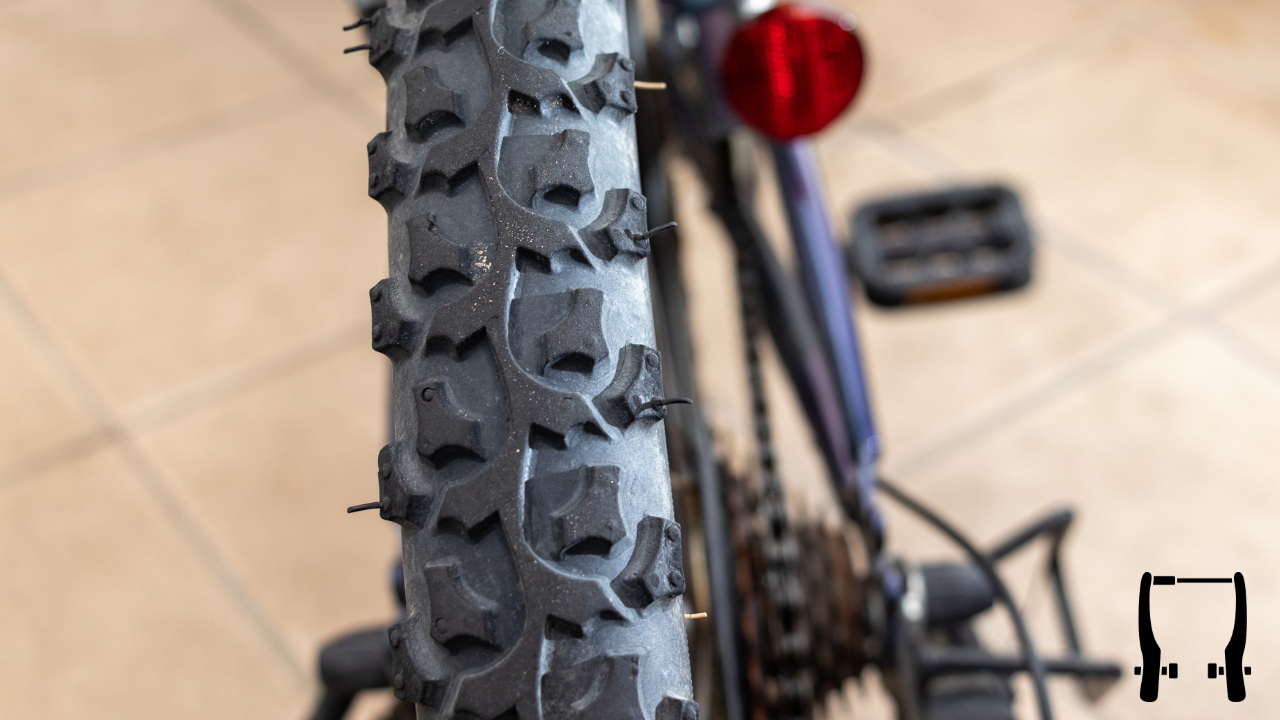
Lots of people wonder if they can use regular inner tubes inside their tubeless-ready bicycle tires. It can seem a bit confusing when you’re new to cycling. You might have a spare tube and wonder if it will work in a pinch.
Don’t worry, we’re going to make this super simple for you. We’ll walk through exactly how it works and what you need to know, step by step.
Using Tubes In Tubeless Tires
Tubeless tire systems are a popular choice for many cyclists. They promise fewer flats and a smoother ride. But what happens if you get a flat out on a trail or road and only have a standard inner tube with you?
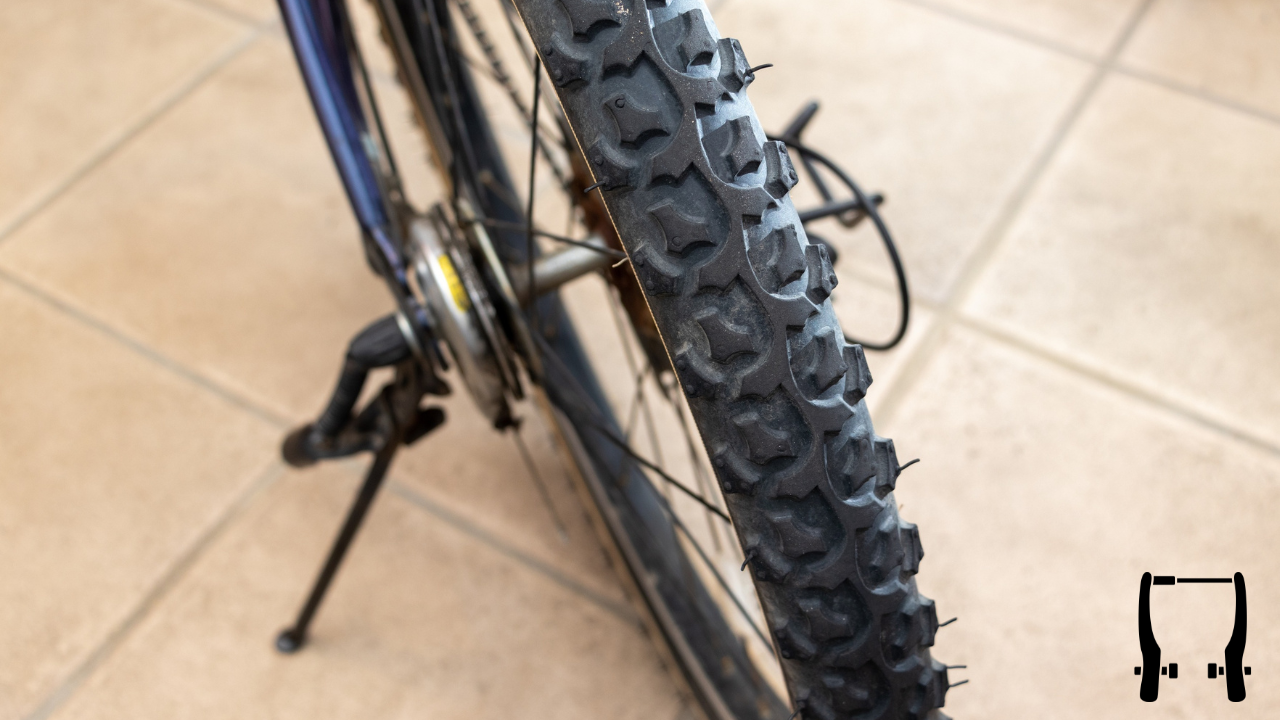
This is a common question for beginners and even experienced riders who are new to tubeless setups. The good news is that, in many situations, the answer to “can you use tubes in tubeless bicycle tires” is yes. However, it’s not always a straightforward swap, and there are important things to consider.
When you set up a bicycle tire as tubeless, you remove the inner tube that traditionally holds the air. Instead, the tire itself seals directly against the rim. This is usually done with the help of tubeless sealant and special rim tape.
The tire bead, the edge of the tire that sits on the rim, creates a tight seal. This prevents air from escaping.
But sometimes, things go wrong. A tubeless tire might not seal properly to the rim, or a large puncture might be too big for the sealant to fix. In these cases, putting a standard inner tube inside the tubeless tire can be a very effective way to get yourself rolling again.
This is often referred to as “flats fixing” or using a “tube as a backup.” It’s a practical solution that many cyclists rely on.
How It Works
When you put a tube inside a tubeless-ready tire, you are essentially turning that tire into a conventional setup. The inner tube will hold the air and press the tire bead against the rim, creating a seal. This is a reliable method to repair a flat tire that cannot be fixed tubeless on the go.
It’s a skill every cyclist should know, especially if they plan to ride far from home.
The key here is that the tire itself is designed to hold air and create a seal against a rim. Tubeless technology enhances this ability, but the fundamental principle remains the same. The inner tube simply provides that air pressure and seal to keep the tire inflated.
So, when you ask “can you use tubes in tubeless bicycle tires,” think of it as reverting to a tried-and-true method.
Why You Might Need To Do This
There are several common scenarios where you might find yourself needing to put a tube in a tubeless tire:
- Large Punctures: Sometimes a sharp object causes a cut or a hole that is too big for the tubeless sealant to properly seal. The sealant might ooze out, or the pressure loss is too rapid.
- Leaking Rim or Tire: Occasionally, even with tubeless setup, there might be an issue with the rim tape or a small imperfection in the tire that causes a slow leak that sealant can’t fix.
- Installation Issues: If you’re trying to set up your tubeless tires for the first time, you might struggle to get a good seal. Using a tube temporarily can help seat the tire beads.
- Emergency Repairs: When you’re out riding and get a flat, and you can’t fix it with your tubeless repair kit, a spare tube is your best friend.
These situations are why it’s smart to carry a spare inner tube and tire levers, even when you ride tubeless. It’s a simple insurance policy against being stranded.
What You’ll Need
To successfully put a tube into a tubeless tire, you will need a few basic items:
- A compatible inner tube: Make sure it’s the right size for your tire.
- Tire levers: These help you get the tire off the rim and back on.
- A pump or CO2 inflator: To inflate the tube once it’s in place.
- (Optional but recommended) Gloves: Tubeless sealant can be messy.
Having these items in your saddlebag or backpack will allow you to handle most common flat tire situations, whether you are running tubeless or not. It’s part of being prepared for any ride.
Step-By-Step Guide
Here’s how to put a tube into a tubeless-ready tire:
1. Remove the Valve Core (If Necessary)
For tubeless setups, you usually have a special tubeless valve with a removable core. You may need to remove this core to let out any remaining air and sealant more quickly. If you’re not sure, just let out all the air you can by pressing the valve.
If you have a standard Presta valve without a removable core, you can skip this specific step, but you’ll still want to deflate the tire completely.
2. Break The Tire Bead
The tire bead is sealed tight against the rim for tubeless setups. You’ll need to break this seal. You can often do this by pushing down on the sidewall of the tire with your thumbs, working your way around the rim.
If it’s really stubborn, you might need to gently use your tire levers to pry the bead away from the rim. Be careful not to damage the rim tape.
3. Remove One Side Of The Tire
Once the bead is broken all the way around, use your tire levers to lift one side of the tire off the rim. Start at one point and work your way around, just like you would with a regular tire. You don’t need to remove the whole tire, just enough to get the tube in.
4. Inspect The Tire And Rim
Before you put the new tube in, quickly check the inside of your tire for any sharp objects like thorns or glass that caused the flat. Also, check the rim tape to make sure it’s still intact and not damaged. If you find anything sharp, remove it.
If the rim tape is damaged, you might have bigger problems than just a flat.
5. Insert The Tube
Slightly inflate the new inner tube – just enough to give it some shape. This makes it easier to handle and helps prevent it from getting pinched. Insert the valve stem of the tube through the hole in the rim.
Then, carefully tuck the rest of the tube inside the tire, making sure it’s not twisted.


6. Re-seat The Tire Bead
Now, you need to get the tire back onto the rim. Start by pushing the bead that you removed back onto the rim. Work your way around with your hands.
You might need to use your tire levers for the last section, but try to do as much as you can by hand. Make sure the tube isn’t caught between the tire bead and the rim as you push it on.
This is a crucial step. If the tube gets pinched, it can lead to another flat. Gently work the bead over the rim, ensuring the tube stays tucked inside.
7. Inflate The Tire
Once both beads are fully seated on the rim, attach your pump or CO2 inflator to the valve stem. Inflate the tire to your desired pressure. As you inflate, listen for any hissing sounds that might indicate a leak.
Also, check that the tire bead is seating evenly all the way around the rim. You might need to push on the sidewalls a bit to help it seat properly.
8. Reinstall Valve Core (If Removed)
If you removed the valve core earlier, screw it back in now. Ensure it’s snug, but don’t overtighten it. This will help maintain the seal and allow you to add more air if needed.
Potential Challenges And Solutions
While putting a tube in a tubeless tire is generally straightforward, you might encounter a few issues. Understanding these can save you a lot of frustration.
Tire Not Seating Properly
Sometimes, after installing a tube, the tire bead might not sit evenly on the rim. This can cause wobbling and air loss. Solution: Deflate the tire slightly.
Then, try pushing down on the sidewalls of the tire while slowly reinflating. You can also try wetting the tire bead with a little soapy water, which can help it slide into place more easily. Ensure there’s no tube pinching the bead.
Difficulty Getting The Tire On/Off
Tubeless-ready tires and rims are often designed for a very tight fit to ensure a good seal. This can make them harder to work with. Solution: Use good quality tire levers.
Start with the lever at a spoke and work around. Sometimes, warming the tire in the sun can make it more pliable. For removing, pushing the tire bead into the center channel of the rim can give you more slack.
Damage To Rim Tape
The rim tape is essential for a tubeless setup. If it’s damaged, you’ll have air leaks. Solution: If the tape is torn or peeling, you’ll need to
Tubeless Sealant Mess
When you remove the tire, the tubeless sealant can spill out. Solution: Be prepared for this. Wear old clothes and work over a disposable tarp or newspaper.
You can try to carefully pour excess sealant back into its bottle if it’s not too contaminated.
Tubeless Specific Tires Vs. Tubeless-Ready Tires
It’s important to understand the difference between “tubeless” and “tubeless-ready” tires. Tubeless Tires: These are designed specifically for tubeless use and often have a reinforced bead that ensures a better seal without a tube. Tubeless-Ready (TLR) Tires: These are more common.
They are designed to be run tubeless but can also be used with tubes. They have a bead that will eventually seal against a tubeless rim. This is the type of tire where you are most likely to be asking “can you use tubes in tubeless bicycle tires.”
Most modern bicycle tires labeled “tubeless ready” or “TCS” (Tubeless Compatible System) are perfectly fine to use with an inner tube. The inner tube simply takes over the job of holding the air and sealing against the rim.
Frequently Asked Questions
Question: Can I permanently use a regular tube in a tubeless tire?
Answer: Yes, you can use a regular tube in a tubeless-ready tire permanently. It essentially turns the tire and wheel setup back into a standard clincher system. Many people choose to do this if they have persistent issues with tubeless setup or prefer the simplicity of tubes.
Question: Will putting a tube in a tubeless tire hurt my rim?
Answer: No, putting a standard inner tube inside a tubeless-ready tire should not harm your rim, as long as it is done correctly. The tube will simply sit inside the tire and the tire will seal against the rim as it normally would with a tube.
Question: How do I know if my tire is tubeless compatible?
Answer: Look for markings on the tire sidewall. Common labels include “Tubeless Ready,” “TLR,” “TCS,” “TR,” or a symbol indicating tubeless compatibility. If it doesn’t have these markings, it’s likely a standard tire meant only for tubes.
Question: Is it okay to mix sealant and a tube?
Answer: Yes, it is perfectly fine. The sealant is designed to help seal small punctures in tubeless setups. When you add a tube, the sealant will still be inside the tire, and while it won’t be actively sealing the tire to the rim, it won’t interfere with the tube functioning correctly.
Question: Can I put a tubeless tire on a rim that isn’t tubeless ready?
Answer: It’s generally not recommended. Tubeless-ready rims have specific features, like a bead seat diameter and internal profile, designed to create a tight seal with tubeless tires. Using a tubeless tire on a non-tubeless-ready rim without proper conversion might lead to poor sealing and safety issues.
Final Thoughts
Yes, you can use tubes in tubeless bicycle tires. It’s a common and effective emergency repair. By following these steps, you can easily convert your tubeless setup back to a standard tire and tube system.
Remember to carry a spare tube and tire levers. This simple preparation ensures you can always get back on the road or trail.