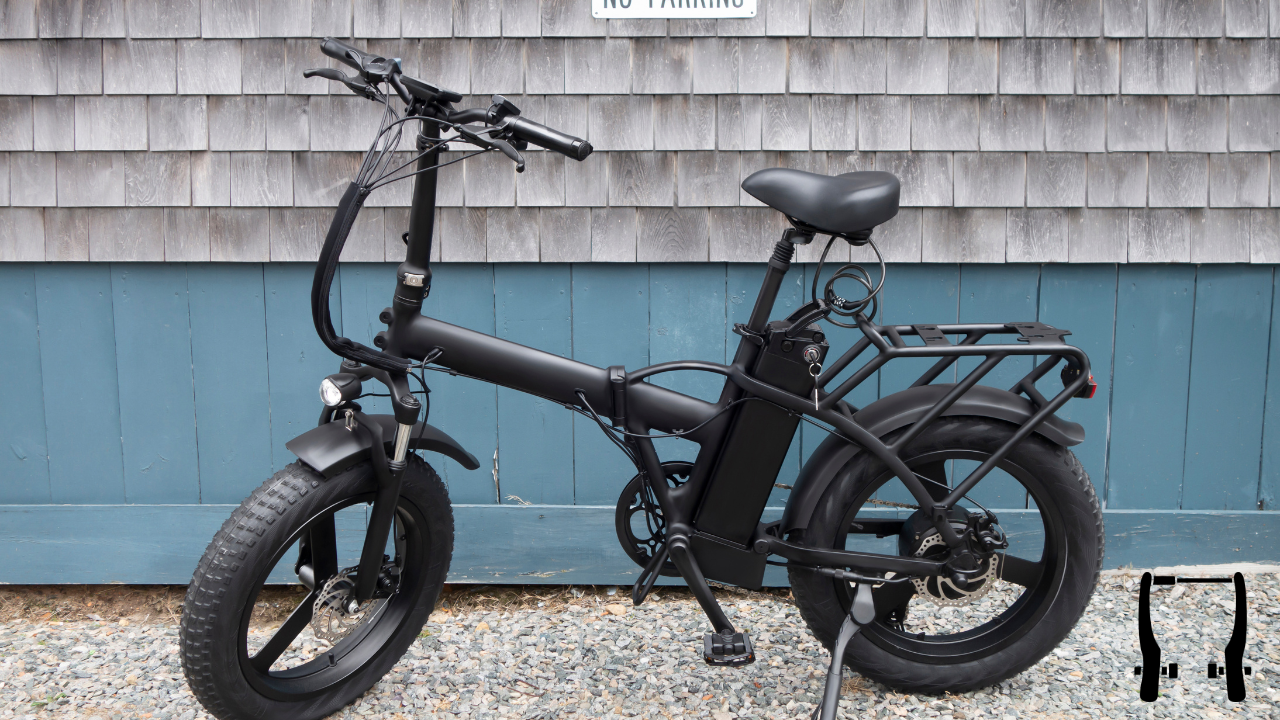
Lots of people wonder about the range of electric bikes. It’s a big question when you’re thinking about buying one. You might ask, how far can an electric bicycle go?
This can seem a little tricky at first because there are a few things that affect it. Don’t worry, we’ll break it down simply. We’ll go through it step by step so you can figure out what to expect.
Get ready to learn what makes an e-bike travel its best distance.
Understanding Electric Bicycle Range
The range of an electric bicycle, or how far it can travel on a single charge, is a key factor for many riders. It’s not a simple number because so many things play a role. For new riders, figuring out this distance can be a puzzle.
You want to know if your e-bike can get you to work, on a long trail, or just around town without running out of power. Thankfully, it’s pretty straightforward once you know what to look for.
Think of it like a gas car. Some cars go further on a full tank than others. The same is true for e-bikes and their batteries.
The distance you can cover depends on the bike’s battery size, how you ride it, and the type of terrain you’re on. We will cover all of these points.
Factors Affecting Electric Bicycle Range
Several elements influence how far your electric bicycle can travel on a single charge. Understanding these factors will help you estimate your own e-bike’s range more accurately and plan your rides accordingly.
Battery Capacity
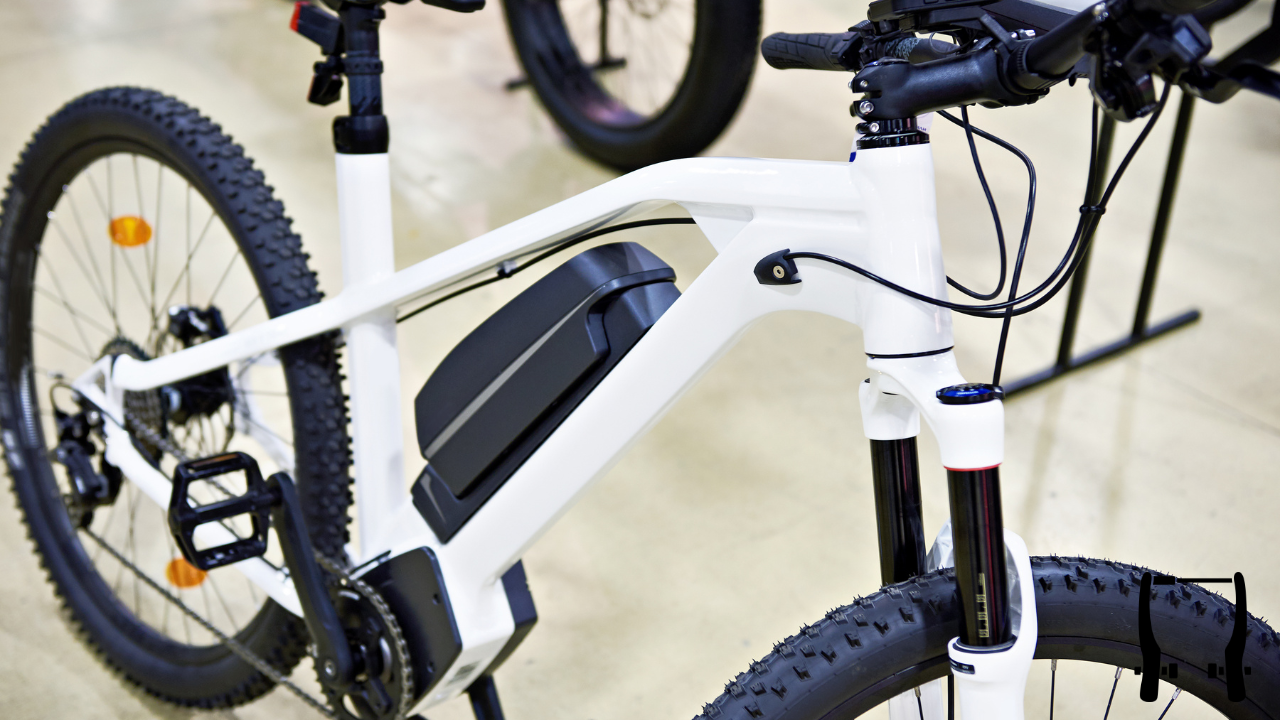
The most significant factor is the battery’s capacity, measured in watt-hours (Wh). A larger capacity battery means more energy storage and therefore a longer potential range.
- Typical Battery Sizes: Most e-bikes come with batteries ranging from 300Wh to 700Wh.
- Impact on Range: A 300Wh battery might offer around 15-30 miles, while a 700Wh battery could potentially reach 50-80 miles or more under ideal conditions.
Rider Weight and Cargo
The total weight the e-bike needs to move directly impacts battery consumption. This includes the rider’s weight, plus any gear or cargo being carried.
- Heavier Loads: A heavier rider or a bike loaded with groceries or equipment will drain the battery faster.
- Less Weight: Lighter riders or those carrying minimal items will generally achieve longer distances.
Motor Power and Assistance Level
E-bikes offer different levels of pedal assistance. The higher the assistance level you use, the more power the motor will draw from the battery, reducing your range.
- Lowest Assistance (Eco Mode): Uses minimal motor power, conserving battery for maximum range.
- Highest Assistance (Turbo Mode): Uses maximum motor power, providing a strong boost but significantly reducing range.
- No Assistance: Riding without any motor assist turns the e-bike into a regular bicycle, and range is only limited by your own pedaling power.
Terrain and Riding Conditions
The type of surface you ride on and the elevation changes can greatly affect how far you can go.
- Flat Surfaces: Riding on smooth, flat roads requires less effort from the motor, extending range.
- Hilly Terrain: Steep hills demand more power from the motor, quickly depleting the battery.
- Off-Road: Rough trails with obstacles and varied surfaces can also increase energy use compared to smooth pavement.
- Wind: Riding against a strong headwind will also require more motor assistance and reduce range.
Riding Style
How you pedal and how you utilize the motor assistance also plays a role.
- Frequent Stopping and Starting: This uses more energy than maintaining a steady speed.
- Smooth Pedaling: Consistent pedaling, especially in lower assist modes, helps conserve battery.
- Anticipating Stops: Letting off the assist and coasting when possible can save power.
Tire Pressure and Type
Properly inflated tires reduce rolling resistance. If your tires are under-inflated, the motor has to work harder.
- High-Pressure Tires: Road bike tires inflated to their recommended pressure offer the least resistance.
- Low-Pressure Tires: Mountain bike tires or under-inflated tires increase friction and reduce range.
- Tire Tread: Knobby off-road tires create more drag than smooth road tires.
Ambient Temperature
Extreme temperatures can affect battery performance and lifespan. Cold weather, in particular, can temporarily reduce a battery’s capacity and thus its range.
- Cold Weather: Batteries perform less efficiently in freezing temperatures.
- Hot Weather: While not as significant as cold, very high temperatures can also impact performance.
Estimating Your E-Bike’s Range
Given all these factors, how can you get a good estimate for your specific e-bike? Manufacturers often provide a range estimate, but this is usually based on ideal conditions.
Manufacturer Estimates
E-bike companies typically give a range in miles. For example, they might say “up to 60 miles.” This is a good starting point, but remember it’s the maximum under perfect circumstances.
To get this maximum range, you’d likely be riding:
- With the lowest pedal assist level (Eco or 1).
- On flat, paved surfaces.
- Without carrying heavy cargo.
- As a lighter rider.
- With perfectly inflated tires.
- In mild weather conditions.
Calculating Your Realistic Range
For a more realistic idea, consider your typical riding habits and conditions. Here’s a general guideline:


- Aggressive Riding (High Assist, Hills, Weight): Your range might be 50% or less of the manufacturer’s maximum estimate.
- Moderate Riding (Mid-Level Assist, Mixed Terrain): Expect around 60-75% of the stated maximum.
- Conservative Riding (Low Assist, Flat Terrain): You could achieve 80-100% of the manufacturer’s stated maximum range.
For instance, if an e-bike is rated for 60 miles, and you typically ride with medium assistance on varied terrain, you might realistically get 35-45 miles. If you’re a heavier rider and tackle lots of hills, it could be closer to 25-30 miles.
Comparing E-Bike Battery Capacities
When you’re looking to buy an e-bike, the battery capacity is a crucial spec to compare. Higher watt-hours (Wh) generally mean a longer range, but also often a higher price and heavier battery.
| Battery Capacity (Wh) | Typical Estimated Range (Miles) | Best For |
|---|---|---|
| 250-350Wh | 15-30 | Short commutes, light use, budget-friendly bikes. |
| 350-500Wh | 25-50 | Daily commuting, moderate distances, good balance. |
| 500-700Wh+ | 40-80+ | Long commutes, touring, off-road adventures, heavy use. |
Note that these are still estimates and can vary widely. Always look at reviews and consider your personal usage patterns.
Tips to Maximize Your E-Bike’s Range
Want to go further on every charge? Here are some practical tips you can use:
- Use Lower Assist Levels: Whenever possible, opt for the Eco or lowest pedal assist setting. Your legs will get a workout, and the battery will thank you.
- Maintain Proper Tire Pressure: Check your tires regularly and inflate them to the manufacturer’s recommended PSI. This makes a big difference in rolling resistance.
- Smooth Out Your Riding: Avoid sudden starts and stops. Anticipate traffic lights and hills, and try to maintain a steady cadence.
- Shift Gears Appropriately: Just like on a regular bike, using your gears efficiently will make pedaling easier for you and the motor. Shift to a lower gear when going uphill.
- Reduce Weight: Only carry what you absolutely need. Remove unnecessary accessories or cargo when you don’t need them.
- Keep the Battery Charged: While modern lithium-ion batteries don’t suffer from “memory effect,” keeping the battery topped up when not in use is generally good for its health.
- Protect from Extreme Temperatures: Store your e-bike indoors, especially during very cold or very hot weather, to help the battery perform at its best.
- Regular Maintenance: Ensure your brakes are properly adjusted, your chain is lubricated, and everything is running smoothly. A well-maintained bike is an efficient bike.
When Do You Need a Long Range E-Bike?
The need for a long-range e-bike depends on your primary use case. If you’re considering an e-bike for:
- Commuting to Work: If your commute is 10 miles each way and you want to be sure you have enough power for the return trip (and maybe a bit of exploring), a bike with a 40-mile realistic range is a good target.
- Leisure Riding and Touring: For longer weekend rides or multi-day trips, a battery with 60 miles or more of realistic range will provide peace of mind.
- Running Errands: If you plan to use your e-bike for grocery runs or visiting friends across town, a moderate range of 25-35 miles might be perfectly sufficient.
- Exploring Trails: Off-road riding can be more power-intensive. If you plan extensive trail use, prioritize a bike with a larger battery and consider carrying a spare battery if available for very long excursions.
Think about your longest planned ride and add some buffer for unexpected detours or changes in conditions. It’s always better to have a little extra range than to run out of power.
Common Misconceptions About E-Bike Range
People often misunderstand how e-bike range works. Let’s clear up a few common points:
Myth: Range is always the same
Fact: As we’ve discussed, range is highly variable. It changes based on how you ride and the environment.
Myth: You must use full power for the longest range
Fact: The opposite is true. Using the lowest assist levels will give you the maximum distance.
Myth: E-bike batteries are heavy and hard to manage
Fact: While batteries add weight, they are designed to be user-friendly. Many are removable for easier charging or transport. Battery technology is also constantly improving, making them lighter and more powerful.
Myth: Range estimates are always accurate
Fact: Manufacturer estimates are usually optimistic. Always factor in your personal riding style and conditions for a realistic expectation.
Frequently Asked Questions
Question: What is the average range of an electric bicycle?
Answer: The average range of an electric bicycle can vary greatly, but many e-bikes offer a realistic range between 25 to 50 miles. This can go higher with larger batteries and more conservative riding, or lower with smaller batteries and aggressive use.
Question: Can I extend the range of my electric bicycle?
Answer: Yes, you can extend the range by using lower pedal assist levels, maintaining proper tire pressure, reducing weight, and riding smoothly on flat terrain. Some e-bikes also offer the option of a second battery for extended trips.
Question: How does rider weight affect how far an e-bike can go?
Answer: Rider weight significantly impacts range. A heavier rider requires more motor assistance to move, which drains the battery faster. Conversely, lighter riders can typically achieve longer distances.
Question: What happens if my electric bicycle battery runs out of power?
Answer: If your e-bike battery runs out of power, the motor will stop assisting you. You can then continue riding the bike like a regular bicycle, powered only by your pedaling. It will just be heavier than a standard bike.
Question: Are more expensive e-bikes always better for range?
Answer: Not necessarily. While more expensive e-bikes often have larger, higher-quality batteries that can offer longer ranges, the fundamental factors like terrain, rider weight, and assist level still play a major role. A well-maintained mid-range e-bike ridden conservatively can outperform an expensive one ridden aggressively.
Final Thoughts
Understanding how far an electric bicycle can go is about knowing the bike’s battery and how you ride it. It’s not just one number. By considering battery size, rider weight, terrain, and assist levels, you can get a very good idea of your e-bike’s capabilities.
Use the tips to extend your rides and enjoy every mile. You’ll soon find the perfect balance for your adventures.